Heard the words “special assessment” while touring a downtown condo and felt your stomach drop? You are not alone. Downtown Wake buyers often encounter buildings planning big repairs or catching up on deferred maintenance, and that can mean extra costs for owners. The good news: with the right questions and documents, you can size up the risk and protect your budget. In this guide, you’ll learn exactly what to ask, how to read the paperwork, and how to structure your offer so you stay in control. Let’s dive in.
What a special assessment is
A special assessment is an extra charge the condo association collects from owners outside of routine dues. Associations use it to fund major repairs, emergency fixes, or shortfalls in reserves. Common triggers include roof or façade failures, elevator replacements, parking garage repairs, mechanical or plumbing issues, insurance deductibles after a claim, or litigation costs.
Assessments can be a one-time lump sum, a series of installments, or paired with a dues increase. Your personal exposure depends on the total project cost and how the building allocates shares.
Why they happen downtown
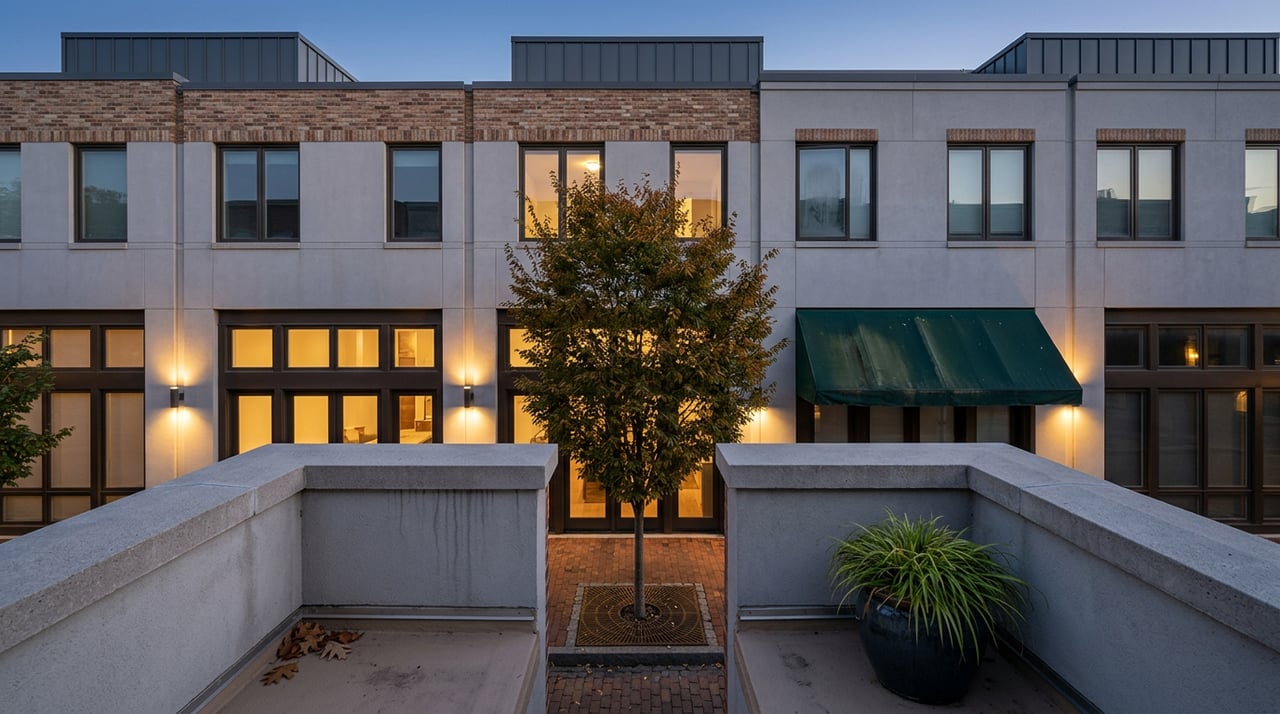
Downtown Wake County condos, including buildings in and around Downtown Raleigh, can face higher-cost projects. Older conversions may have envelope or garage issues. Mixed-use buildings sometimes carry shared systems with retail spaces. Amenities like elevators, lobby HVAC, and structured parking can be expensive to maintain.
City approvals can also affect timing and scope. Some downtown projects need permits or design review, which may influence schedules and budgets.
How costs get allocated
Allocation comes from the building’s recorded declaration and bylaws. Typical methods include:
- Pro rata by ownership percentage (often called unit entitlement)
- Equal shares per unit
- Project-specific allocation if governing documents allow
Some documents cap how much the board can levy without an owner vote. Others give the board authority within set limits. Always confirm the rules for the specific building.
Here is a simple way to visualize per-unit impact:
- If a $1,000,000 project is divided equally among 50 units, each share is $20,000.
- If allocation is by ownership percentage, your share equals the total assessment multiplied by your unit’s percentage. For example, a 2.5 percent share of $1,000,000 equals $25,000.
The key documents to request
Ask for everything in writing, and gather several years of history for context. Priority items include:
- Current budget and the last 2–3 years of budgets.
- The most recent reserve study and any prior studies.
- Board meeting minutes for the last 12–36 months, including special meeting minutes.
- Any special assessment resolutions, ballots, and owner notices.
- Declaration, bylaws, rules, and amendments.
- Owner ledger or delinquency report for the building and for the specific unit.
- Financial statements and balance sheets, plus any year-end CPA review or audit.
- Construction contracts, engineering reports, and vendor bids.
- Master insurance policy declarations, coverage limits, and deductibles.
- Litigation disclosures and status updates.
- Engineering or condition reports for the envelope, structure, elevators, and garage.
- Recent meeting notices, ballots, and proxy forms.
- Any municipal correspondence about permits or code enforcement.
How to read the numbers
Focus on a few essentials when you scan budgets and financials.
- Operating income vs. expenses: Is the association running a deficit? Covering shortfalls with reserves is a red flag.
- Reserve balance: Compare the cash on hand with the near-term projects the reserve study identifies.
- Special assessment line items: If you see one, find the related minutes and notices for details.
- Cash flow: Watch for capital projects paid out of operating funds.
- Delinquencies: A high delinquency rate increases risk for future assessments or strained cash flow.
Why reserve studies matter
A good reserve study estimates the remaining life and replacement cost of big components and recommends annual contributions. Check the study’s date and scope. If it ignores major items like the garage, envelope, or elevators, risk rises. Also compare recommended contributions to what the association actually funds. A large gap signals elevated assessment risk.
If there is no reserve study, or if it is older than 3–5 years, you should expect more uncertainty.
Read minutes and notices closely
Board minutes are where you often see the first hint of an assessment. Look for:
- Capital projects under discussion and vendor bids
- Insurance claims, litigation, or structural concerns
- Owner vote notices, proxy forms, and quorum counts
Timing is important. A mention of a large project today can lead to an assessment tomorrow.
Confirm the governing rules
The declaration and bylaws tell you:
- Who can levy assessments and when a vote is required
- How costs are apportioned among owners
- Whether the board can borrow and how loan repayment works
- What notice and quorum rules apply
Also review the amendment history. Frequent changes can signal governance friction.
Evaluate reports, contracts, and insurance
Engineering reports should outline defects, recommended fixes, estimated costs, and timelines. Construction contracts should note pricing structure, contingencies, change order rules, and a target start and end date. For insurance, study coverage limits and deductibles. Big deductibles can lead to assessments after a claim.
Questions to ask before you offer
Start with the seller and listing agent:
- Are there any pending or proposed special assessments? If yes, request the written notice, resolution, and ballot.
- Have you received notice of major capital projects? Ask for all related documents.
- Are any special assessments past due for this unit? Confirm no liens are recorded.
- Can you provide the last 12 months of association communications, current budget, and recent minutes?
Questions for the HOA or management
Once you are under contract, request detailed answers and supporting documents:
- Is an assessment proposed, approved, or under discussion? Provide all notices, ballots, and resolutions.
- What is the total amount, your unit’s share, payment schedule, and start date?
- If a project is planned, share contracts, bids, contingencies, and a schedule.
- What is the current reserve balance and what does the latest reserve study recommend?
- How did the vote go? Percentage for and against, proxies used, quorum achieved.
- Any pending litigation or claims that could lead to future costs?
- Is the association planning to borrow? If yes, ask for loan terms and owner obligations.
- Any insurance claims in the past 5–10 years? What were deductibles and payouts?
- Current delinquency rate and any units in foreclosure?
- Any municipal notices or code enforcement actions requiring repairs?
Questions for your lender
Assessments can affect underwriting. Ask your loan officer:
- How does a pending assessment affect loan approval for this building?
- Must the assessment be paid at closing, or is an installment plan acceptable?
- Are there condo project approval requirements that this building must meet, and does a pending assessment change eligibility?
- What documentation does underwriting need from the HOA?
Gauge the risk level
Consider these factors to judge severity:
- Size of the assessment relative to your budget and the unit price
- Allocation method and your unit’s specific share
- Number of units in the building; fewer units can mean larger per-owner costs
- Reserve funding level and the age of the reserve study
- Whether the project is routine replacement or defect remediation
- Payment structure (lump sum or installments)
- Owner vote dynamics; contentious votes can signal ongoing friction
- Any litigation or code enforcement that could expand the scope
Common scenarios include:
- Small building, big repair: Very high per-unit cost and higher risk if owners default.
- Large building with good reserves: Lower risk; costs can be spread among many owners.
- Association borrowing for the project: Payments spread over time, but confirm loan terms and obligations.
- Insurance claim with a large deductible: The deductible may be assessed to owners even if insurance covers the rest.
Negotiate your protection
You have options when a special assessment is on the table.
- Ask the seller to pay it in full at or before closing.
- Negotiate an escrow holdback to cover the assessment if the due date is unclear.
- Seek a price reduction that reflects your expected share.
- Require clear documentation of any installment plan and owner acceptance.
- If exposure is too high, walk away during the due diligence period.
Due diligence timeline
Use this step-by-step plan for downtown Wake condos:
Before making an offer
- Request the current budget, most recent reserve study, and 12–36 months of board minutes.
- Ask for written notices of any special assessments or major projects.
- Review the declaration and bylaws for assessment authority and allocation rules.
During the due diligence period
- Obtain full financials, reserve balances, and delinquency reports.
- Get copies of any assessment resolutions, owner notices, ballots, and vote results.
- Review engineering reports, construction contracts, and insurance declarations.
- Confirm the payment schedule, your unit’s share, and whether lenders require payment at closing.
- Verify owner vote quorum and proxy counts if applicable.
- If major structural or envelope issues are noted, consider an independent engineering review.
- Check city permits or approvals that could affect scope or timing.
- Consult your lender on underwriting requirements and documentation.
At or before closing
- Decide who pays the assessment: seller, buyer, or a split. Put it in writing.
- If the assessment is not yet due, set up an escrow holdback.
- Confirm any liens related to unpaid assessments are cleared or addressed.
- Document installment plans and how payments will be handled after closing.
After closing
- Update contact information with the association.
- If payments are amortized into dues, confirm the accounting with management.
Where to verify records locally
Downtown buyers should cross-check official records and building files:
- Wake County Register of Deeds: Recorded declarations, amendments, plats, and liens help you confirm allocation percentages and governance history.
- HOA or management company: Budgets, reserve studies, owner ledgers, minutes, and assessment notices.
- City of Raleigh planning and permitting: Permits, inspections, and any public notices tied to building work.
- A North Carolina real estate attorney: Guidance on statutory requirements, liens, and closing protections.
The bottom line
Special assessments are manageable when you see them coming. With the right documents, clear questions, and a solid plan, you can judge the risk, align costs with your budget, and negotiate protections that work for you. If you want a steady hand through the process and a clear read on building health, our team is here to help.
Ready to evaluate a downtown Wake condo with confidence? Schedule a private consultation and showroom visit with Mills + Coin for expert, white-glove guidance from offer to closing.
FAQs
What is a condo special assessment and why is it used?
- It is an extra charge collected by the association to fund major repairs, emergency fixes, insurance deductibles, or reserve shortfalls beyond routine dues.
How are special assessments split among owners in Wake County condos?
- The building’s declaration and bylaws control allocation, usually by ownership percentage or equal shares, and may require an owner vote over certain thresholds.
What documents should I review before buying a downtown Wake condo?
- Ask for budgets, reserve studies, minutes, assessment notices, governing documents, financial statements, owner ledgers, engineering reports, and insurance declarations.
Can a pending special assessment affect my mortgage approval?
- Yes. Lenders may require payment at closing, proof of an installment plan, and documentation like the assessment resolution, reserve balances, and insurance details.
How do I estimate my share of a special assessment?
- If shares are equal, divide the total assessment by the number of units; if by ownership percentage, multiply the total assessment by your unit’s percentage share.
What negotiation options do I have if an assessment is coming?
- You can ask the seller to pay it, set up an escrow at closing, seek a price reduction, or walk away if the risk is too high during the due diligence period.
Why do downtown buildings often face higher-cost projects?
- Mixed-use interfaces, structured parking, elevators, and older envelopes can drive higher capital costs, and city approvals may influence project timing and scope.