What It’s Like To Live In Downtown Asheville’s Historic Core
February 5, 2026
February 5, 2026
If you crave vibrant city energy with mountain horizons peeking between historic rooftops, Asheville’s downtown core delivers it in a compact, walkable package. You can step out your door for coffee, galleries, and live music, then be on a trail or greenway in minutes. In this guide, you will learn what day-to-day life feels like in the Downtown Asheville Historic District, from housing types and parking to noise, views, and seasonal rhythms. Let’s dive in.
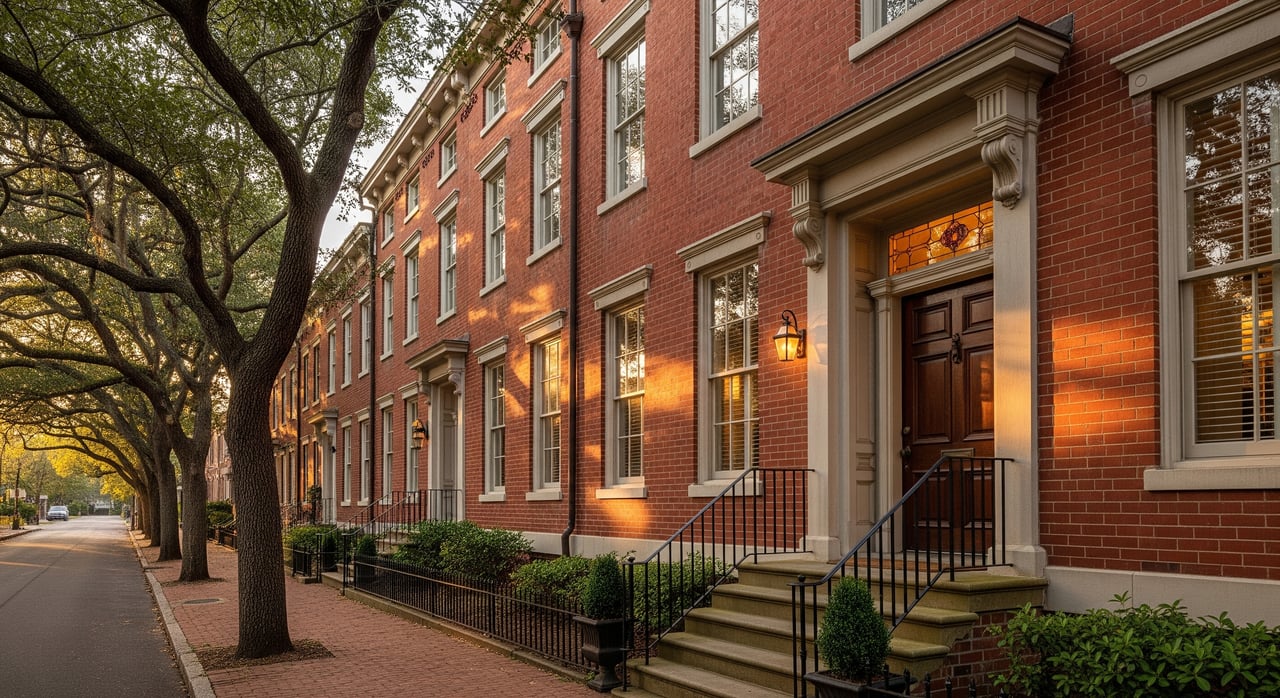
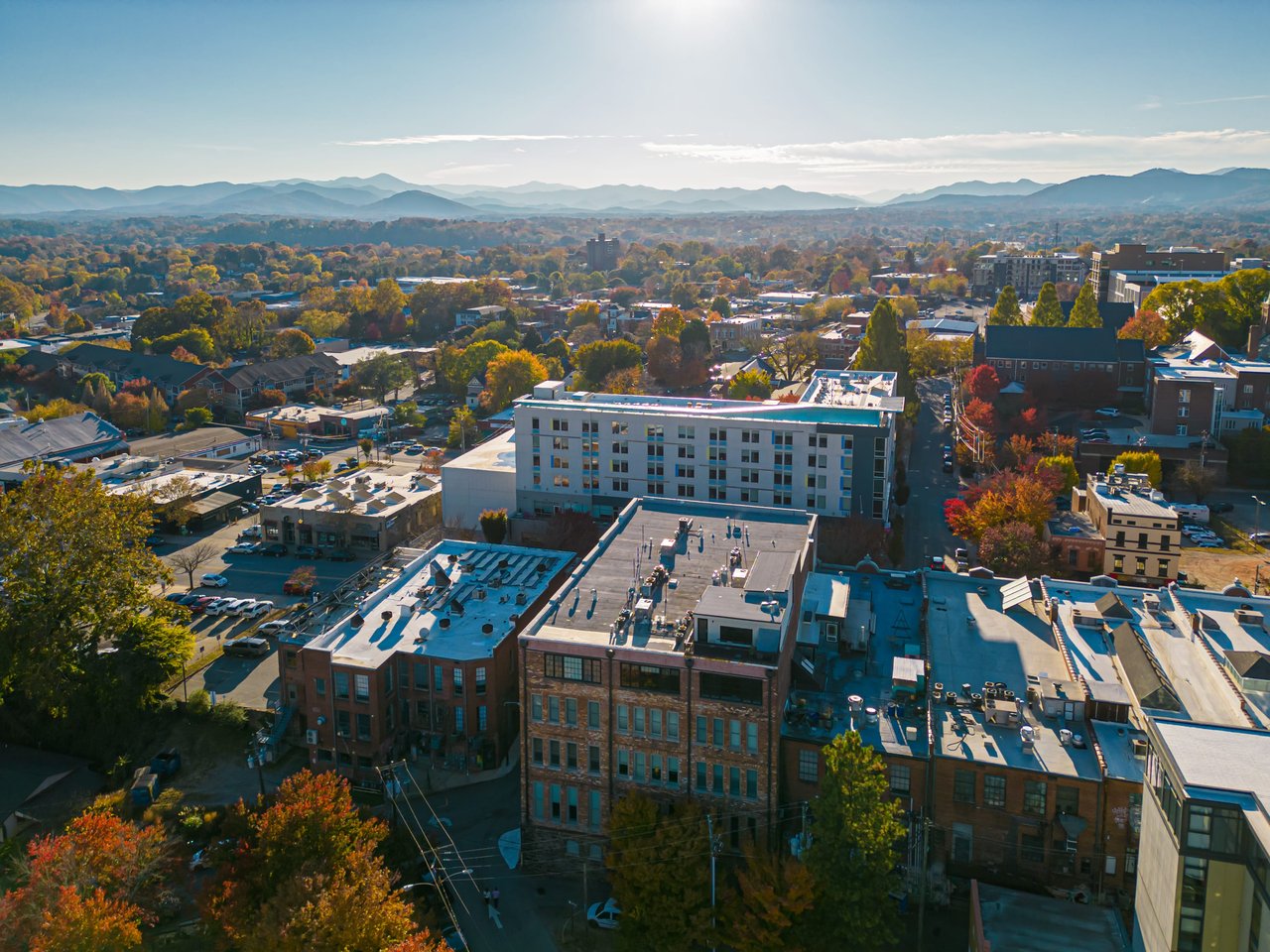
Downtown Asheville’s historic core centers on Pack Square and the surrounding blocks that include Broadway and Battery Park. The streetscape is human-scaled, with two- to eight-story buildings, ornate brick facades, and short blocks that make walking natural and efficient. Adaptive reuse is part of the fabric, so you will see lofts above storefronts and historic interiors paired with modern finishes.
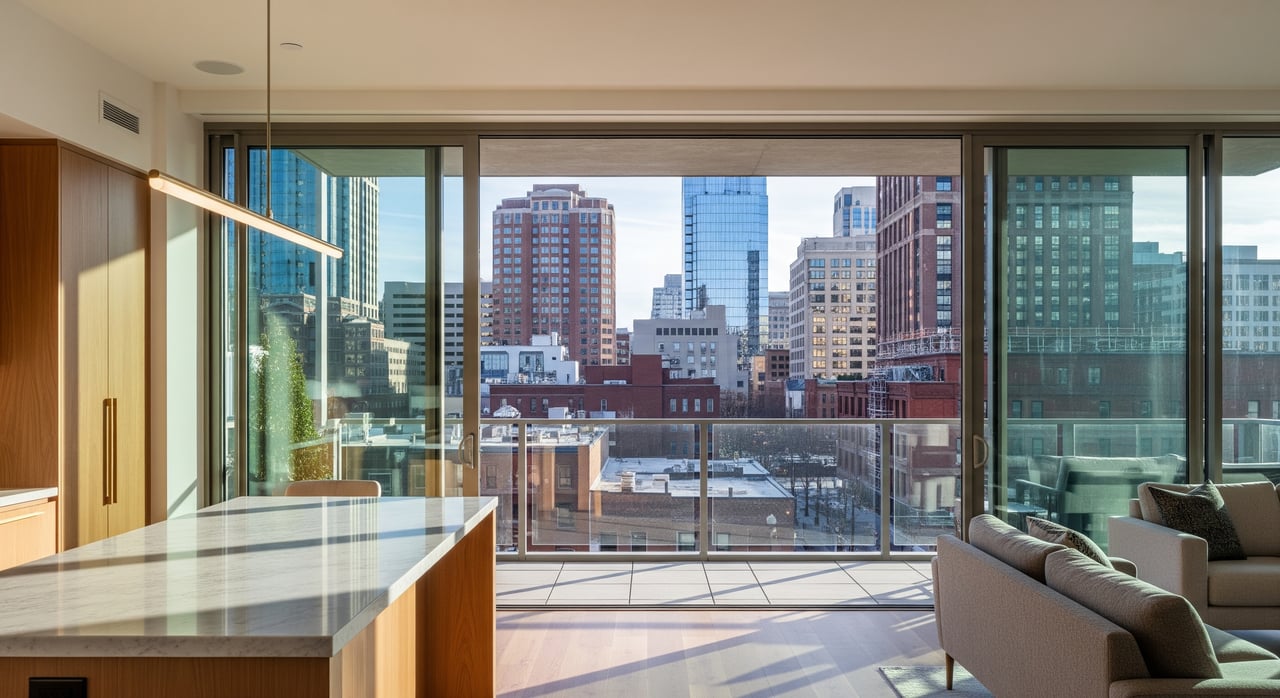
Set in a valley along the French Broad River, downtown offers glimpses of nearby ridges and peaks. Upper-floor condos and rooftop terraces in the core can capture mountain views, though it depends on your floor, building orientation, and nearby heights. The result is an urban lifestyle with subtle connections to the Blue Ridge setting.
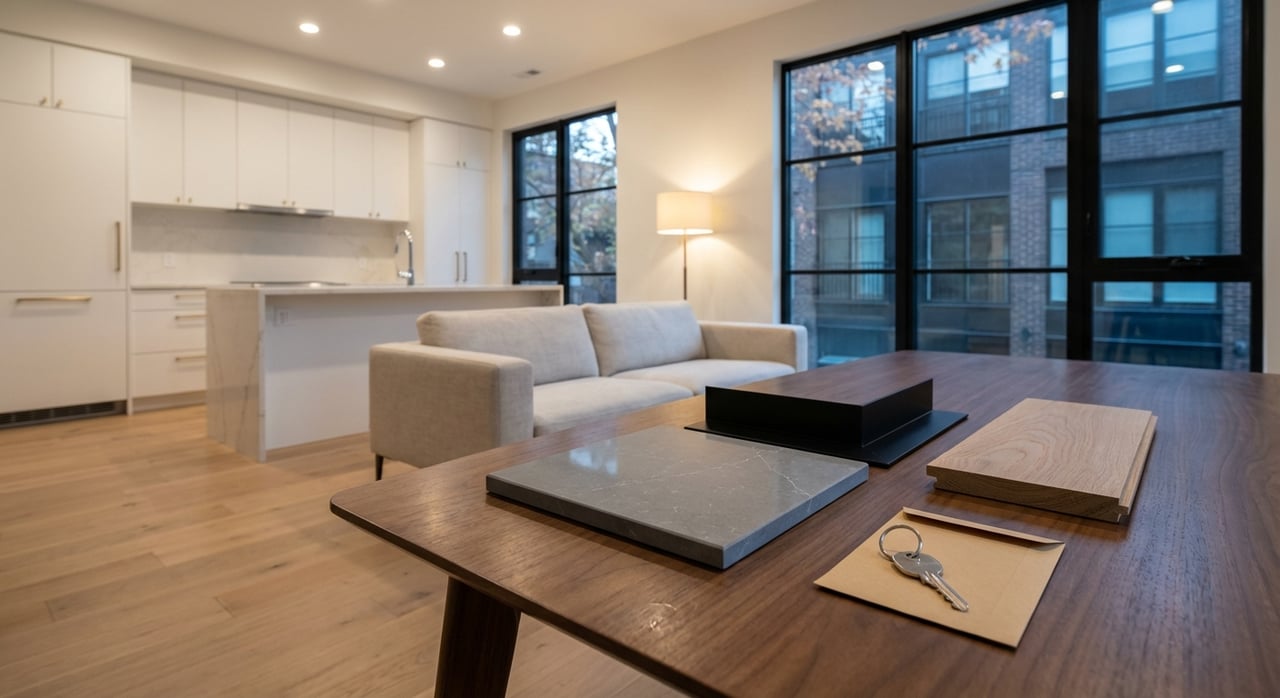
Many former commercial and warehouse buildings have been converted into loft-style condos. Expect tall ceilings, large windows, exposed brick, and open layouts. These buildings vary in age and mechanical systems, so it pays to ask about recent renovations to roofing, masonry, and HVAC.
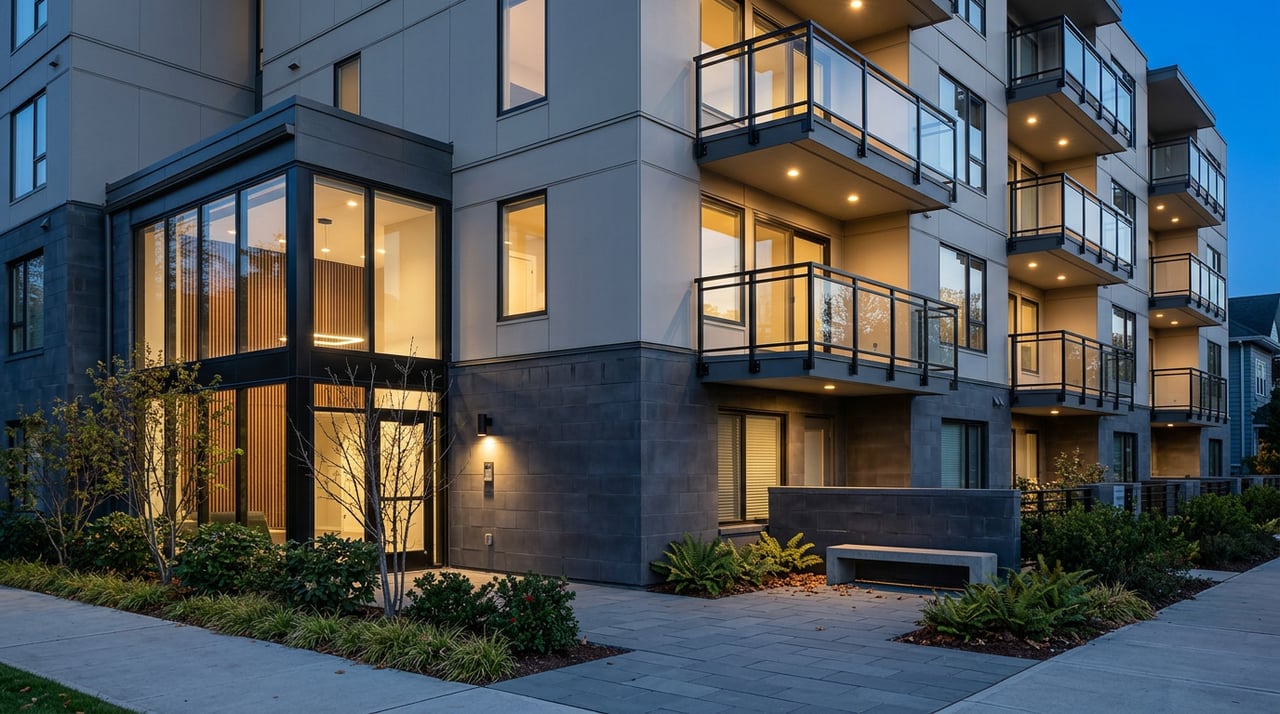
Infill developments add elevator access, modern amenities, and more predictable systems. Some buildings include secure or deeded parking, while others rely on nearby garages. HOA rules can shape rental flexibility and pet policies, so review them early.
Early 20th-century walk-ups and small apartment buildings appear in pockets of the core. These structures often have character details and shared stairs, with varying levels of updates. Accessibility and soundproofing can differ by building.
Townhouse or brownstone-style homes are less common inside the commercial core, but you will find them on adjacent historic blocks. If you want more privacy and a front-door street presence, these can be a good fit near downtown amenities.
Condos often carry monthly HOA dues for building insurance, common maintenance, water or sewer, and sometimes parking. Ask for budgets, reserves, and special assessment history to understand long-term costs. If financing, confirm whether a building meets lender guidelines for conventional loans.
Parts of downtown fall under local historic review for exterior changes visible from the street. Window replacements, facade updates, and new signage may require approvals. Interior work within a condo can still involve building permits and HOA rules, so factor timelines into your plan.
The core reads as a walker’s paradise for daily needs. You will find coffee, pharmacies, dry cleaning, and small urban markets within a short walk of Pack Square. Larger grocery options are close by in adjacent neighborhoods, a short drive or rideshare away.
Downtown Asheville is packed with restaurants, farm-to-table spots, wine bars, and craft breweries, especially toward South Slope. Evenings and weekends are lively, with heavier noise near brewery corridors and during festivals. If you prefer quieter nights, consider units away from the busiest blocks or on higher floors.
Pack Square Park anchors civic life, and the Asheville Art Museum and numerous galleries are steps apart. Live music and performance venues are scattered through the core. Year-round events fill the calendar, so you can explore galleries, street fairs, and seasonal celebrations without getting in your car.
You can walk to greenways along the French Broad River from downtown, then connect to nearby neighborhoods. On weekends, it is a short drive to Blue Ridge Parkway overlooks, trailheads in Pisgah National Forest, and the Botanical Gardens at UNC Asheville. This is city living with quick outdoor relief.
On-street spaces are typically metered or time-limited, and free overnight street parking is limited in core blocks. Public parking decks and private garages fill in the gap, and some buildings include deeded spaces. Monthly permits may be available, so compare the cost of a permit to ownership with an included space.
ART buses serve downtown, connecting you to regional routes. Many residents rely on walking for daily needs and use a car for errands beyond the core. Biking works well on shorter trips, though routes and shared scooter services can change with city rules and vendors.
From late spring through fall, festivals and leaf season bring more visitors downtown. Expect fuller restaurants, heavier foot traffic, and more competition for parking. If you are sensitive to noise, preview your preferred block on a weekend evening during peak months.
Winter is calmer with fewer pedestrian crowds and some businesses shifting hours. Rooftop patios slow down, but you often get clearer views after leaves fall. The change of pace gives residents a more relaxed downtown experience.
Mountain and skyline views depend on height, orientation, and nearby buildings. Corner units can increase natural light, and higher floors often improve views and lessen street noise. Ask for recent photos from comparable floors, and verify whether the building has rooftop access or shared terraces.
Older structures can transmit sound differently between floors or party walls. Review past acoustic upgrades and talk with property managers about noise mitigation. Elevator reliability and maintenance plans matter in mid-rise buildings, so request service records and replacement timelines.
Asheville regulates short-term rentals, and many condo HOAs restrict or prohibit them. If rental income is part of your plan, confirm city rules and building bylaws before you commit. For long-term leasing, review HOA caps, lease minimums, and any required approvals.
Living in downtown Asheville means trading private yards and abundant on-street parking for a walkable lifestyle, rich arts culture, and one-of-a-kind historic interiors. If you love stepping into galleries, restaurants, and live music without planning a drive, the core fits well. If you prefer quiet streets and larger storage, you may want a nearby neighborhood with quick access to downtown.
A smooth downtown purchase blends design sense, building knowledge, and practical planning. You deserve a guide who understands HOA nuances, parking realities, preservation rules, and the subtle differences from block to block. To explore the right building, floor, and orientation for your lifestyle, connect with the team at Mills + Coin for a private consultation and showroom visit.
Stay up to date on the latest real estate trends.
At Mills Coin & Co. Real Estate Group, we’re your trusted partner in navigating the Asheville real estate market. Whether you're buying, selling, or investing in property in Asheville, we're here to make the process smooth, seamless, and successful for you.
40 BILTMORE AVE ASHEVILLE, NC 28801