Understanding North Asheville’s Classic Home Styles And Features
July 23, 2026
July 23, 2026
You can feel North Asheville’s character before you ever step inside a home. Curving streets, mature trees, stone retaining walls, and houses set into hilly lots create a sense of place that is hard to copy in newer neighborhoods. If you are considering a move in 28804, understanding the area’s classic home styles can help you spot what makes one property feel timeless, what updates matter most, and how to evaluate preservation versus convenience. Let’s dive in.
North Asheville is not defined by one single style or one single era. It is a layered residential area shaped by several historic neighborhoods, including Grove Park, Norwood Park, Proximity Park, and Montford, each developed in different waves north of downtown.
What ties these areas together is the original neighborhood design language. You will often see curving streets, wooded lots, sidewalks, alley-served garages, and homes positioned to respond to slopes and changing terrain. In places like Grove Park and Norwood Park, large lots, tree canopies, and small detached garages are part of the historic pattern buyers still notice today.
Tudor Revival is one of the most recognizable classic styles in North Asheville. These homes often stand out for their steeply pitched roofs, cross gables, prominent chimneys, and narrow multi-pane windows.
You may also notice half-timbering, stucco, masonry, or mixed brick-and-stucco surfaces. In Asheville’s historic neighborhoods, some Tudor-influenced homes include details like pebbledash stucco or parapeted gables, which add texture and visual depth.
For many buyers, Tudor homes offer a strong sense of personality from the street. They often feel storybook-like on the outside, especially when paired with mature landscaping, stonework, and sloping lots common in North Asheville.
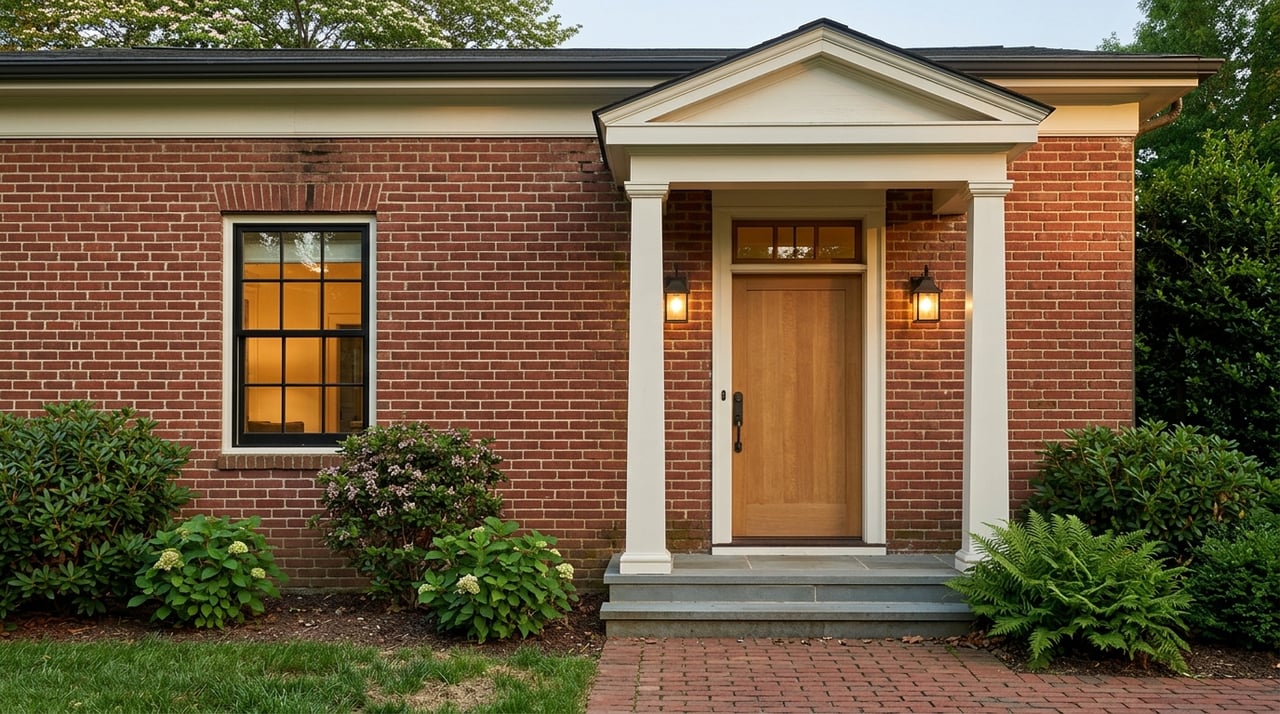
If Tudor homes feel romantic and textured, Colonial Revival and Georgian Revival homes usually feel more formal and balanced. These homes are often symmetrical, with centered entries, side-gabled or hipped roofs, and a more orderly facade.
Classic features can include columned porches or porticos, fanlights, sidelights, shutters, dormers, and pedimented entries. In North Asheville, local examples may also show wider friezes, dentil trim, paired Doric columns, and generous front porches.
This style remains popular because it blends architectural presence with familiar livability. If you are drawn to homes that feel composed and traditional, Colonial Revival homes often deliver that look and layout.
Craftsman and bungalow homes are another common early-20th-century type in North Asheville. These homes are typically smaller in scale and lower in profile than many Tudor or Colonial Revival houses.
You will often see one- or one-and-a-half-story forms, porches tucked under the main roof, and dormers that break up the roofline. This style was designed to put much of the living space on one floor, which still appeals to buyers who want charm with practical flow.
In neighborhoods like Grove Park and Proximity Park, these homes can offer a more approachable footprint while still delivering classic architectural character. They may feel especially appealing if you want period details without the scale of a larger estate-style property.
Not every classic North Asheville home comes from the same prewar period. In some areas, especially where neighborhoods evolved over time, you may also encounter 1950s and 1960s ranch houses or later contemporary infill.
Ranch homes usually bring a lower, more horizontal look. Compared with earlier houses, they often feature open or semi-open living spaces, eat-in kitchens, built-ins, picture windows, and sliding glass doors.
That shift matters because it changes how a home lives day to day. If you prefer a more casual layout and less compartmentalized interior, a postwar ranch may feel more intuitive than an earlier revival-style home.
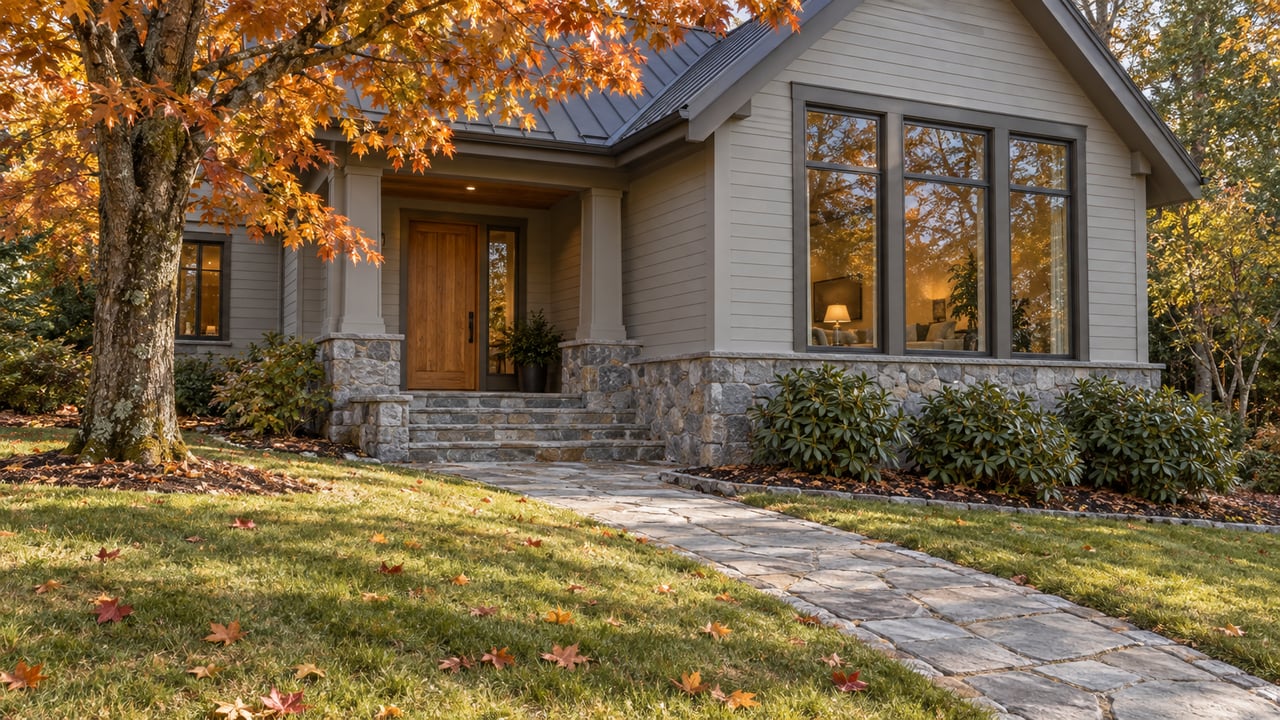
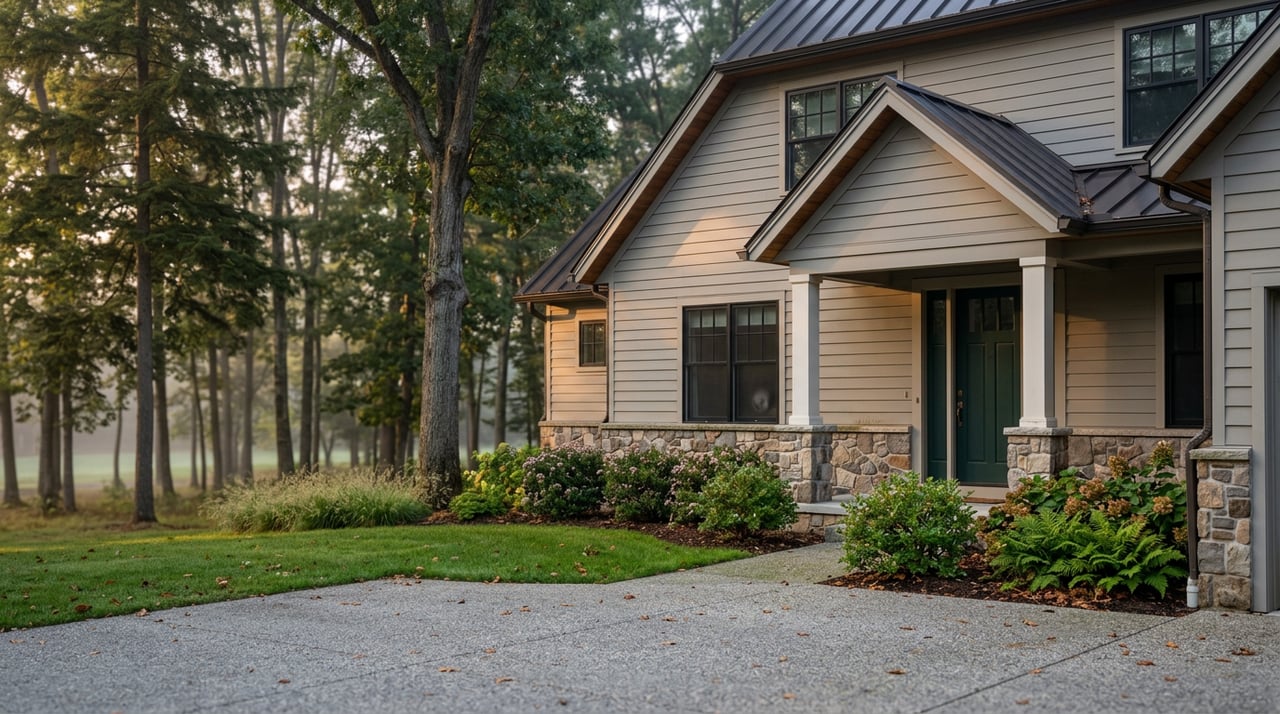
One of the most important features in North Asheville is not just the house itself, but how it sits on the lot. The area’s terrain has a major influence on site plans, driveways, garage placement, retaining walls, and outdoor living areas.
In Grove Park, for example, district documentation describes curving streets, alleyways, detached garages, and stone retaining walls, often on lots of one-third to one-half acre or more. In Proximity Park, more regular lot patterns still meet steep terrain at the edges, which creates a different relationship between house and landscape.
For you as a buyer, that means curb appeal in North Asheville often includes topography. A stepped entry, terraced yard, or alley-access garage may be part of the home’s original design logic rather than an oddity.
Inside, older North Asheville homes often feel more segmented than new construction. The floor plan, circulation pattern, and principal rooms are part of what gives these homes their identity.
In many Colonial Revival houses, for example, you are more likely to find a central stair hall, separate dining room, formal foyer, and smaller support spaces. These homes often emphasize balanced room arrangement rather than one large open gathering area.
Ranch interiors usually feel different. They tend to be organized around larger communal living and dining areas, with a more casual relationship between the kitchen and social spaces.
If you are comparing homes across eras, this is one of the biggest lifestyle distinctions to keep in mind. The question is not just which style you prefer from the street, but which interior pattern supports how you actually live.
A common North Asheville pattern is a mix of original character and later changes. Historic district documentation for local neighborhoods notes alterations such as porch enclosures, added bays, and garage changes, which means many homes have already evolved over time.
The most valuable updates are usually the ones that improve comfort and function while preserving the home’s defining features. In practical terms, that often means buyers respond well to renovated kitchens or baths when the home’s original massing, rooflines, porches, windows, stair halls, and key room relationships remain legible.
This balance can be especially important in a market where character is part of the value. A home does not have to be frozen in time to feel authentic, but thoughtful updates tend to age better than changes that ignore the original structure.
If you are buying or preparing to sell in North Asheville, it is worth understanding whether a property is located in a local historic district. In Asheville, work in local historic districts requires design review and a Certificate of Appropriateness.
That is different from National Register listing alone. A property listed on the National Register does not automatically go through local design review unless it is also within a local historic district.
North Carolina also offers rehabilitation tax credits for qualifying historic structures, including an owner-occupied residential credit, although eligibility depends on current program rules and certification. If a home’s historic status is part of your decision-making, those details are worth confirming early.
When you tour homes in North Asheville, it helps to look beyond surface finishes. Paint colors and countertops can change, but the deeper value often comes from architecture, placement on the lot, and the integrity of the plan.
A few smart things to notice include:
These details can help you understand not just what a house looks like now, but what kind of home it was designed to be.
North Asheville’s lasting draw comes from its range. You might find a Tudor exterior with a mostly original central hall, a Colonial Revival home with updated baths and kitchen, or a midcentury ranch with a more open plan and simpler finishes.
That variety gives buyers real choice, especially if you value architecture and setting as much as square footage. Instead of asking what style defines North Asheville, it is often more useful to ask which era, layout, and level of preservation fit your goals best.
For buyers and sellers in premium neighborhoods, that nuance matters. It is what turns a home search from a simple style preference into a more informed decision about value, livability, and long-term appeal.
If you are considering a move in North Asheville and want a refined, well-informed perspective on architecture, setting, and market positioning, Mills + Coin offers concierge-level guidance tailored to distinctive properties and discerning clients.
Stay up to date on the latest real estate trends.

At Mills Coin & Co. Real Estate Group, we’re your trusted partner in navigating the Asheville real estate market. Whether you're buying, selling, or investing in property in Asheville, we're here to make the process smooth, seamless, and successful for you.
40 BILTMORE AVE ASHEVILLE, NC 28801