Evaluating New Construction Condos In Downtown Asheville
June 25, 2026
June 25, 2026
If you are considering a new construction condo in downtown Asheville, it is easy to get pulled in by polished finishes and rooftop views. But in a walkable urban core with a strong historic fabric, the smartest purchase is usually about more than the unit itself. When you know what to evaluate before you sign, you can better protect your lifestyle, your budget, and your long-term value. Let’s dive in.
Downtown Asheville is not a generic condo market. The Downtown Asheville Historic District covers all or parts of roughly 42 city blocks and includes a large concentration of historic commercial, civic, and religious buildings from the late 19th and early 20th centuries.
That setting shapes how new condo projects fit into the city. Asheville also uses downtown design review for major development projects in the Central Business District, and the city’s public-space framework emphasizes sidewalks, lighting, seating, crosswalks, wider sidewalks, bulb-outs, and additional green space.
For you as a buyer, that means a condo purchase is partly a streetscape decision. You are not just evaluating square footage and finishes. You are also judging how the building meets the sidewalk, how the ground floor feels, and whether the project belongs on its block.
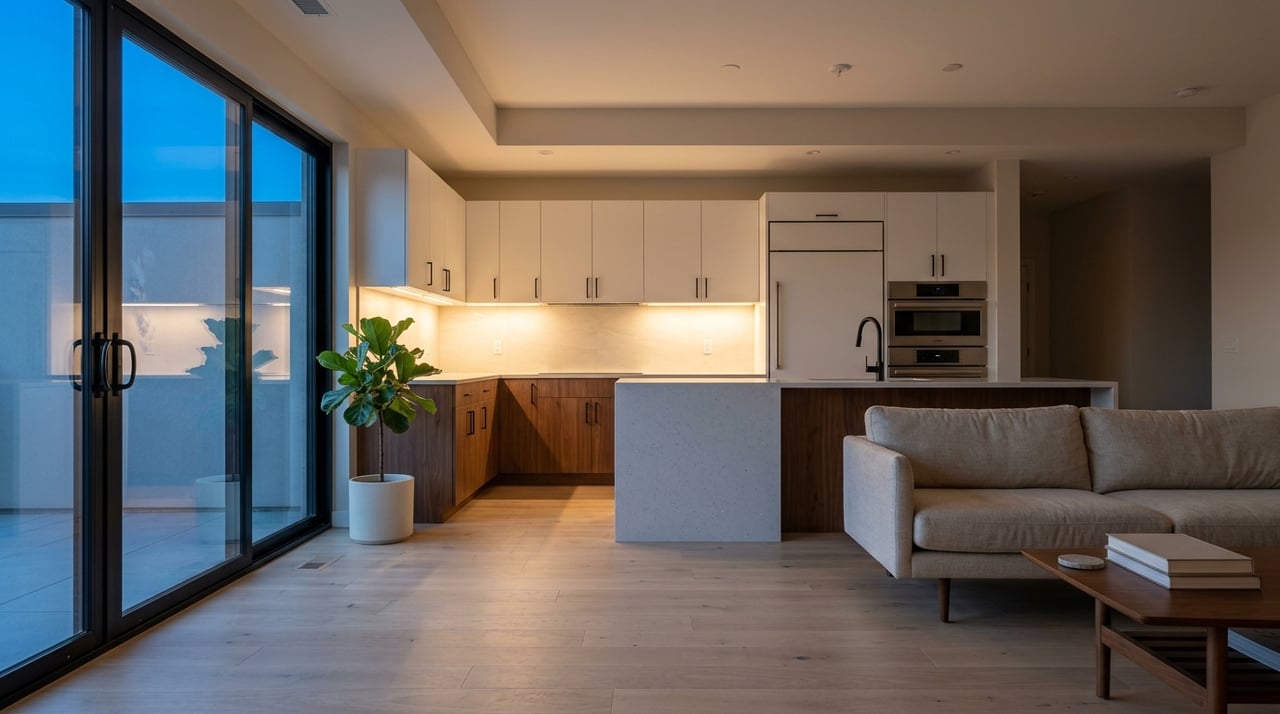
In a dense downtown setting, floorplan livability often matters more than flashy design details. Because downtown Asheville includes compact historic blocks and infill conditions, some units may come from tighter sites or adapted buildings rather than broad suburban-style layouts.
That can make a big difference in how the home feels once you move in. A beautiful kitchen or luxury appliance package does not always fix awkward circulation, limited storage, or poor bedroom separation.
One of the first things to study is whether the plan supports normal daily use. Look at how your furniture would actually fit, whether hallways take up too much space, and whether odd angles reduce usable square footage.
A strong downtown condo floorplan should feel efficient without feeling cramped. You want rooms that can handle real living, not just a good first impression during a showing.
Storage matters more than many buyers expect. In a condo, you may have less room for overflow items, seasonal pieces, luggage, or everyday supplies.
Pay attention to closets, pantry space, laundry placement, and any additional owner storage. A premium downtown price point should support practical day-to-day function, not just clean styling.
Bedroom placement can have a major impact on livability. If you host guests or work from home, separation between sleeping areas can make the unit feel much more comfortable.
Ask whether the layout gives you privacy when someone else is visiting or using another part of the home. A good floorplan should support both quiet downtime and flexible use.
Natural light and acoustics are especially important downtown. A unit facing an active street, alley, or loading area may feel very different from one tucked away from those conditions.
You should also review the practical systems that support comfort. HVAC, laundry, ventilation, and window specifications deserve close attention, especially in a new or recently built building where buyers expect consistent performance.
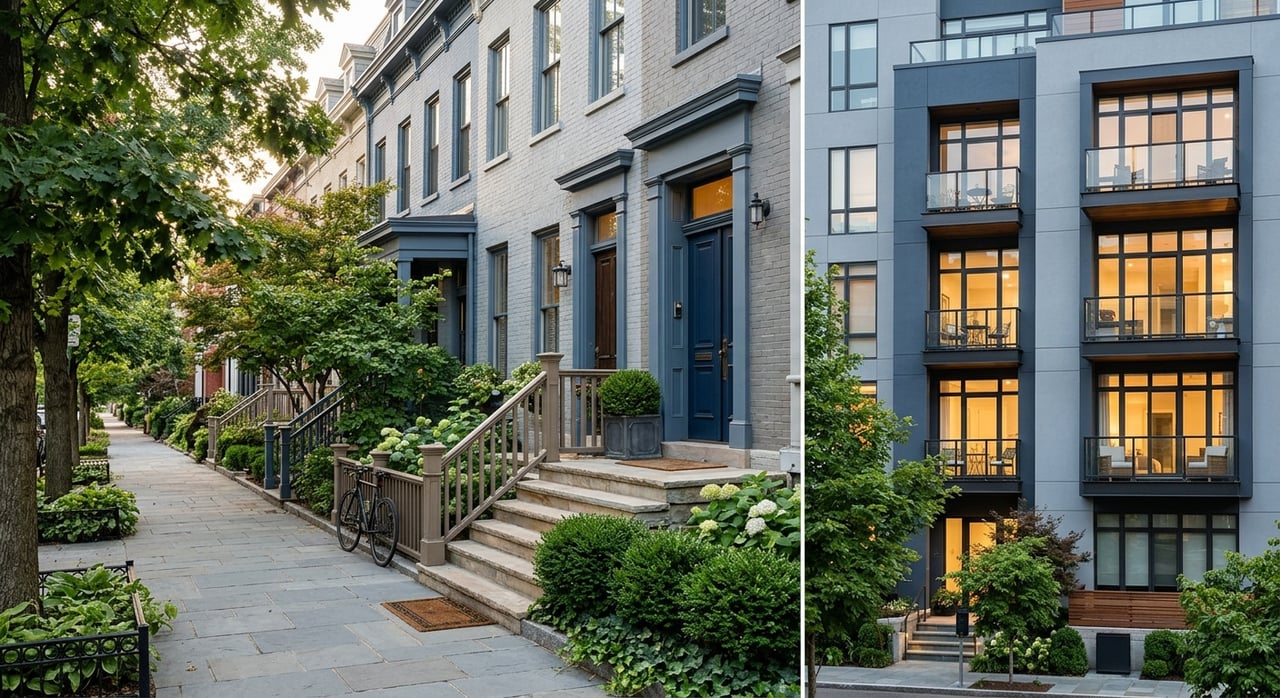
Downtown Asheville offers more than one path to condo ownership. Some buyers prefer clean-lined new construction, while others are drawn to historic conversions with original character and a stronger sense of place.
Neither option is automatically better. The right fit depends on how much you value efficiency, architectural personality, and predictability in building systems.
New construction can provide more straightforward layouts and more predictable mechanical systems. That often translates into easier furniture placement, more consistent window placement, and a simpler move-in experience.
For buyers who want a polished, low-maintenance downtown home, those advantages can be meaningful. You may also find that newer buildings are designed with current expectations around comfort and convenience in mind.
Historic conversions often deliver a sense of place that is hard to replicate. Original building forms and downtown architectural character can make the home feel distinctive and rooted in Asheville.
At the same time, those buildings can come with tradeoffs. Irregular room shapes, smaller or differently placed windows, and preservation constraints may make planning less efficient than in a ground-up project.
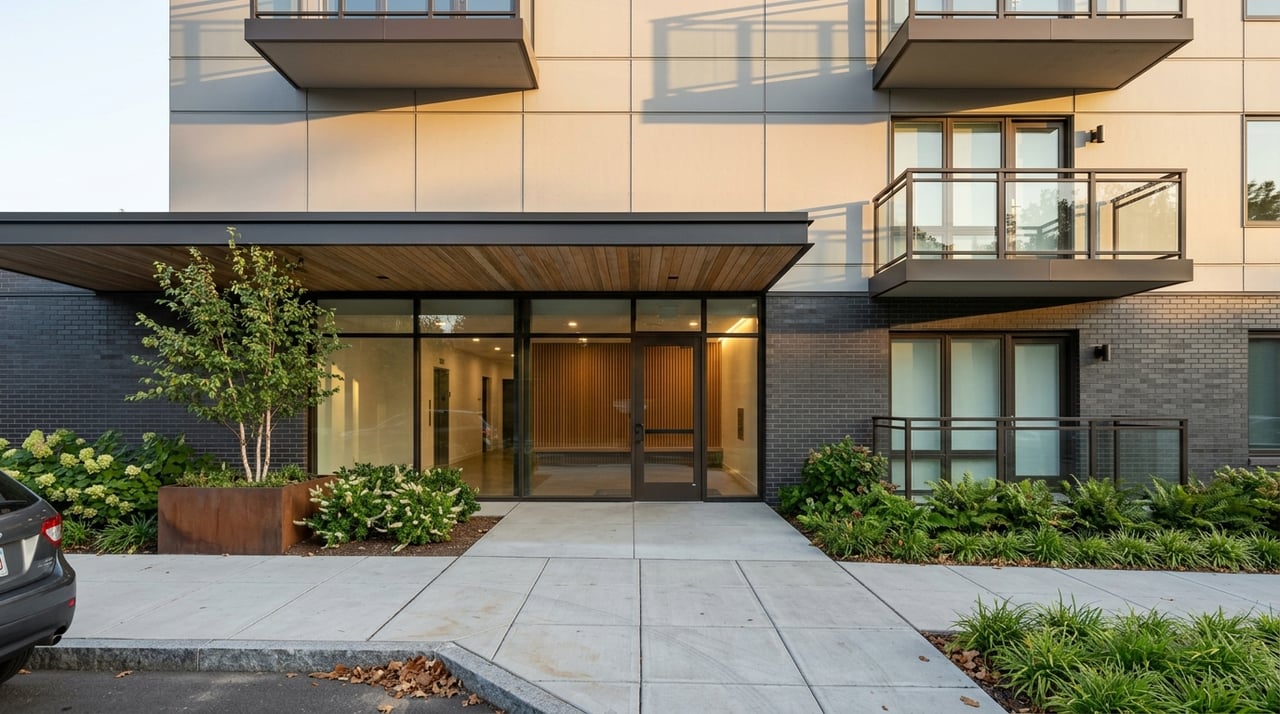
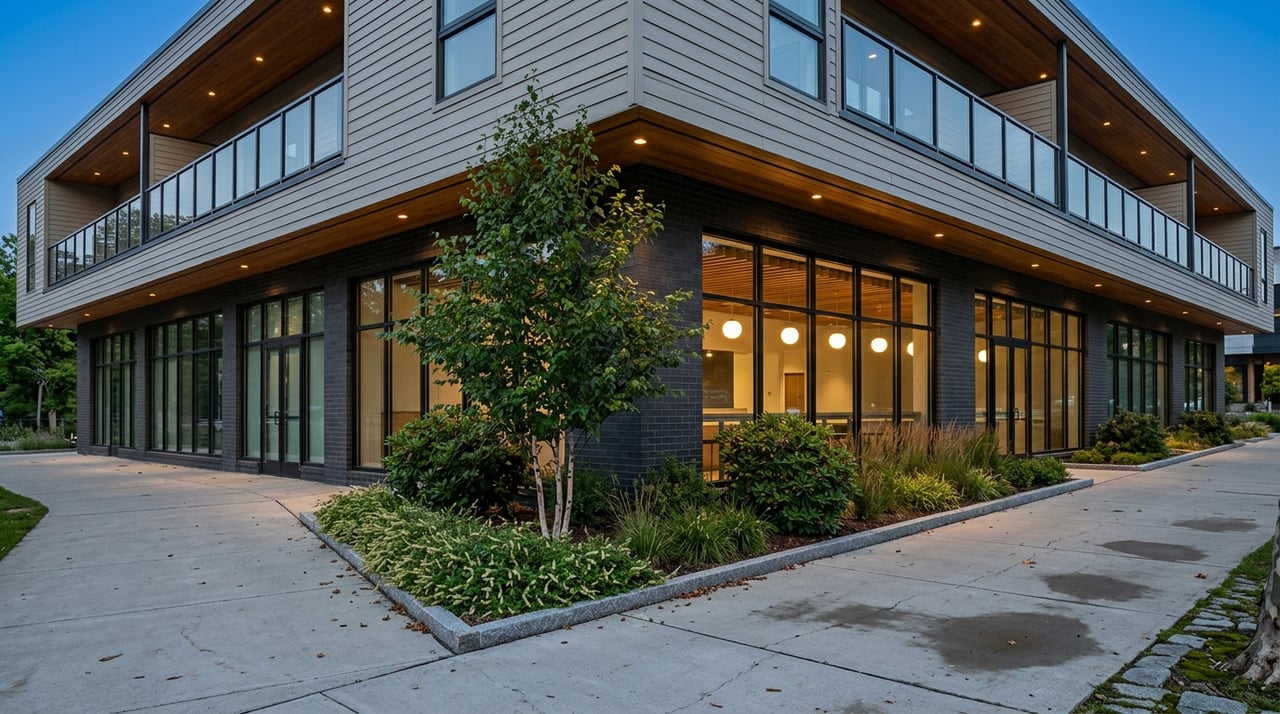
A downtown condo building should work well both inside and out. In Asheville, where the pedestrian experience is part of the value proposition, the building’s relationship to the street deserves real attention.
This is where buyers can separate a strong project from one that simply photographs well. The most successful buildings tend to function as part of the block rather than standing apart from it.
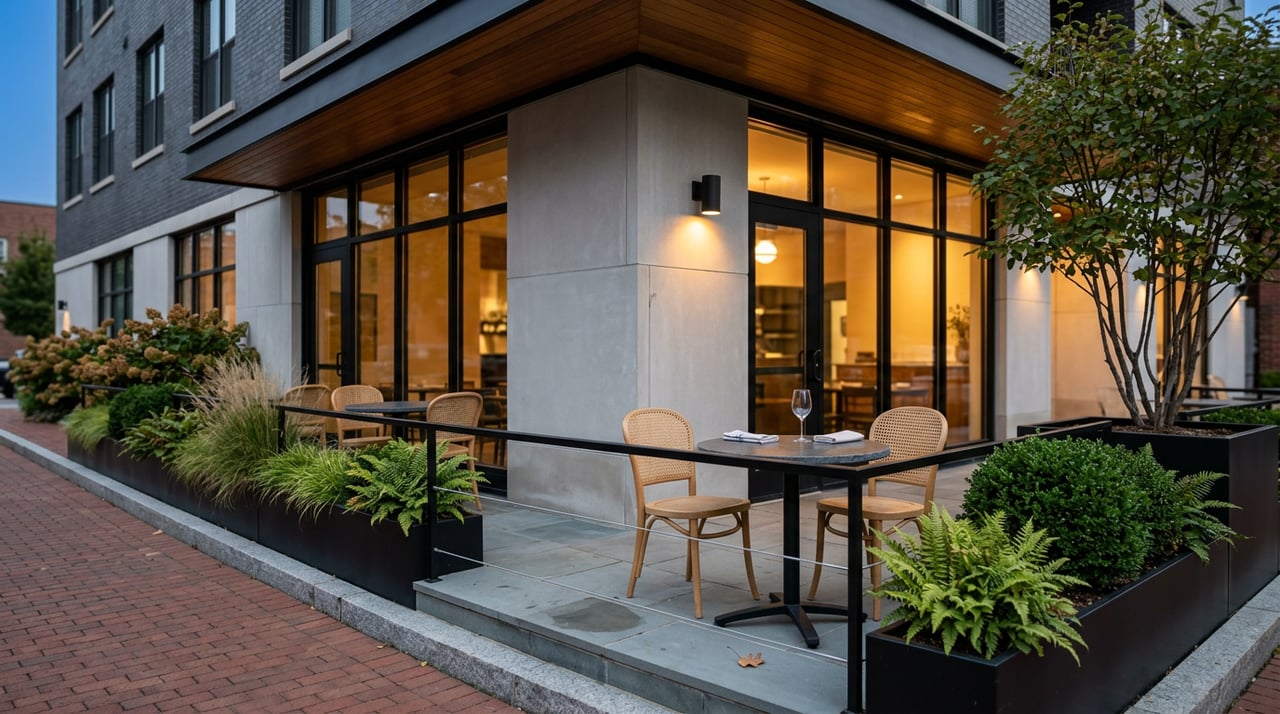
Take a close look at how the project meets the sidewalk. Does it contribute to a walkable block edge, or does it feel disconnected from the street?
Ground-floor design matters too. A building with an active and well-composed lower level usually supports a better pedestrian experience than one dominated by blank walls or service areas.
Parking, trash, loading, and mechanical functions are part of everyday building life. In a well-executed project, those elements are concealed and managed in a way that supports both convenience and appearance.
If those functions are too visible or poorly handled, they can affect your experience far more than finishes inside the unit. This is especially true in a compact downtown environment.
In downtown Asheville, massing and design compatibility matter. A project does not need to mimic older buildings, but it should feel like it belongs in its surroundings.
That sense of fit can support both livability and long-term appeal. In a district shaped by historic resources and walkable streets, context is part of the asset.
For new condominium sales in North Carolina, the paperwork is not just a formality. It is one of the clearest ways to evaluate how the project is structured, what costs you may face, and whether future changes could affect your ownership experience.
Before a unit is offered to the public, state law requires a public offering statement. Buyers must receive that statement before signing, and after signing, buyers have an absolute seven-calendar-day right to cancel.
The public offering statement must include key details about the project. That includes the declarant and condominium, project description, construction schedule, number of units, declaration, bylaws, rules, projected budgets and reserve funding, projected monthly assessments, special or initial fees, insurance coverage, known lawsuits, land-use requirements, and any development rights or special declarant rights.
This is especially important in presale situations. The documents can help you see whether the project is complete in scope or still depends on future phases.
North Carolina’s condominium declaration must state the maximum number of units the declarant reserves the right to create and describe any development rights. That means you should understand whether what you see today is the full project or only part of a longer plan.
For many downtown buyers, that question affects both lifestyle and value. Future phases can influence views, traffic flow, common areas, and the overall feel of the property.
Projected monthly assessments deserve close review, but they are only one piece of the picture. Reserve funding, special or initial fees, and any future charges for use of common elements can also shape the true cost of ownership.
A lower monthly number is not always the better answer if reserves appear thin or future obligations are unclear. You want an HOA structure that looks transparent and realistic over time.
In a new or recently built condo, construction quality is not just about cosmetics. North Carolina law says implied warranties such as workmanlike construction and sound engineering standards apply to the sale of a condominium unit and supplement the Condominium Act.
That makes the details behind the finish package worth serious attention. Soundproofing, waterproofing, HVAC performance, and elevator or common-system quality all matter when you are evaluating a premium downtown purchase.
If the building is newly delivered or still under development, ask careful questions about what is included, how performance is addressed, and how any issues are handled. The strongest buying decisions usually come from looking past the staging and into the systems that support daily life.
When you compare downtown Asheville condos, it helps to use a consistent lens. That keeps you focused on the features that influence your experience long after the closing date.
A practical checklist includes:
The best new construction condo purchases in downtown Asheville usually balance several things at once. You want an efficient and quiet floorplan, a transparent HOA structure, realistic dues, and a building that fits its block and supports the pedestrian experience around it.
That is why careful evaluation matters so much here. In downtown Asheville, the relationship between the unit and the street is not a side detail. It is part of what makes a condo feel livable, durable, and worth the price.
If you want a polished, local perspective on downtown condo opportunities, schedule a private consultation and showroom visit with Mills + Coin.
Stay up to date on the latest real estate trends.
At Mills Coin & Co. Real Estate Group, we’re your trusted partner in navigating the Asheville real estate market. Whether you're buying, selling, or investing in property in Asheville, we're here to make the process smooth, seamless, and successful for you.

40 BILTMORE AVE ASHEVILLE, NC 28801