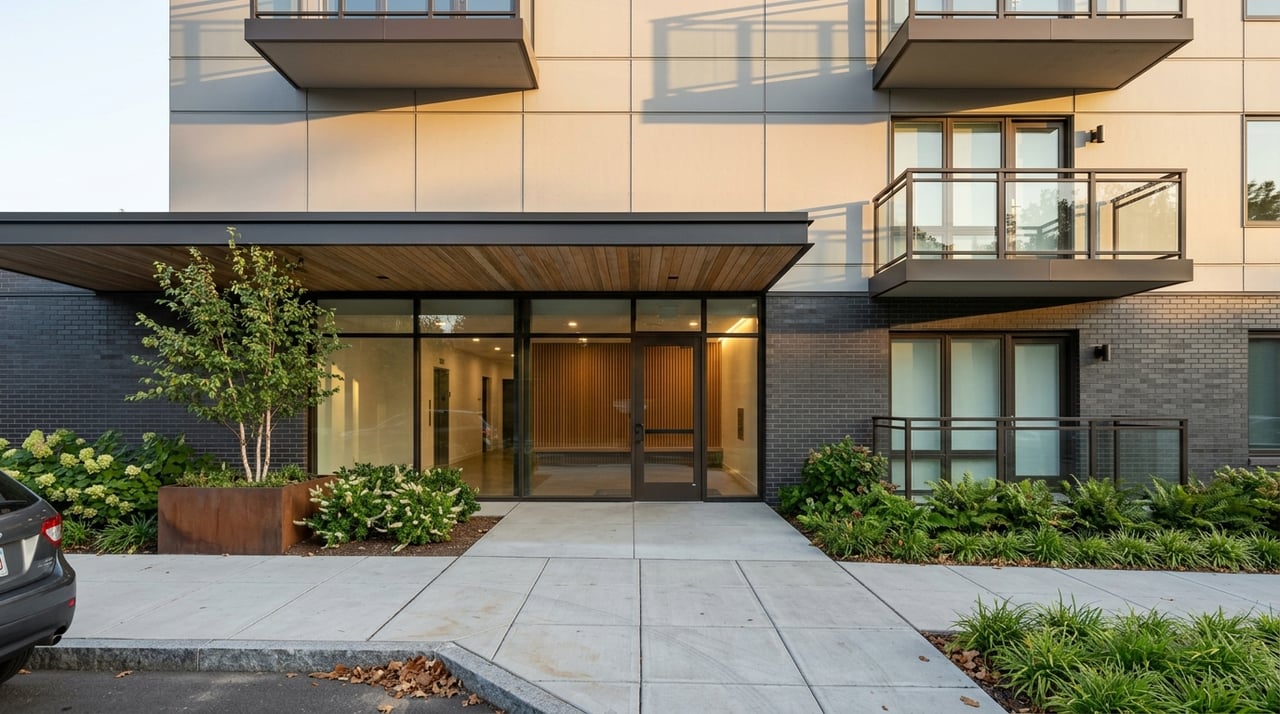
Key Questions To Ask Before Buying A Condo In The River Arts District
July 16, 2026
July 16, 2026
Buying a condo in Asheville’s River Arts District can feel exciting and a little complex at the same time. You may love the energy of the area, the riverfront setting, and the mix of studios, restaurants, and new residential development, but you also want to know exactly what you are buying into. The right questions can help you look past finishes and floor plans so you can make a smart, confident decision. Let’s dive in.
The River Arts District is not a typical residential pocket. City materials describe it as a riverfront, mixed-use corridor with working artist studios, river outfitters, retail, bars, restaurants, music venues, and a growing residential presence.
That mix is part of the appeal, but it also means condo buyers should look closely at building type, access, rules, and future change. Asheville has also completed major transportation improvements in the district, including wider sidewalks, bike lanes, a riverfront multi-use path, public parking, stormwater infrastructure, parkland, and public art.
At the same time, the city is still managing French Broad Riverfront recovery after Helene, including rebuilding damaged assets such as 8 River Arts Place. For you as a buyer, that makes location-specific questions a central part of the process, not an extra step.
Not every attached home in River Arts works the same way. Before you move forward, ask whether the property is a true condominium, a townhome in a planned community, or part of a mixed-use building.
That distinction matters because it affects maintenance responsibilities, common-area obligations, and how much authority the association has over the property. In an area shaped by older industrial sites and newer residential growth, those details can have a real impact on your day-to-day ownership experience.
If you are considering a condo, ask for the recorded declaration, bylaws, rules, current budget, reserve information, insurance summary, known liens, and any special fees. North Carolina condominium law requires key disclosures in the public offering statement, and those materials can tell you a lot about how the building operates.
If the property is a townhome in a planned community, ask for the HOA’s financial records, annual income and expense statement, balance sheet, and any statement of unpaid assessments or other charges. These records help you see whether the association is operating from a position of strength.
If the project is new construction, pre-sale, or still being completed in phases, ask whether any declarant development rights remain. Under North Carolina law, the declaration must disclose those rights and the time period for using them.
That question matters because the community you see today may not be the final version. Future phases, added units, or changes to common elements can shape your experience after closing.
A beautiful building can still come with financial risk. One of the most important questions you can ask is how healthy the HOA is today and how it plans for tomorrow.
Start with the basics. Ask what the monthly dues cover, how much is in reserves, and whether the board expects any special assessment for roofs, elevators, exterior repairs, stormwater systems, or other shared components.
In River Arts, some buildings may combine newer residential design with older industrial character or shared systems. That can make deferred maintenance more important to spot early, especially with items like façades, roofs, drainage, elevators, and utility access.
Ask how the board plans for long-term repairs and whether there is a clear reserve strategy. A well-run association should be able to explain both current finances and future needs in a straightforward way.
You should also ask whether the association has any pending lawsuits, collection problems, or unpaid charges tied to the unit or the building. North Carolina condo disclosure requirements include known or pending suits, and associations must provide statements of unpaid assessments when requested.
These questions may feel technical, but they can protect you from expensive surprises. A careful review now can save a great deal of stress later.
River Arts has a mixed-use identity, but that does not mean every condo allows the same lifestyle or business activity. If you want flexibility, ask direct questions early.
If you plan to work from home in a way that involves clients, deliveries, or a visible business presence, ask whether the HOA allows that use. Also ask whether the city requires a home occupation permit or a commercial permit for your intended setup.
If rental potential is part of your plan, do not rely on assumptions. Ask both the city and the HOA what is allowed for that specific address and unit.
Asheville distinguishes homestays from short-term vacation rentals, and the city defines a short-term vacation rental as renting an entire house or apartment for less than one month. HOA rules can be more restrictive than city rules, so you need both answers before you make a decision.
Do not assume a River Arts address automatically allows live-work use or rental flexibility. Asheville provides parcel-level zoning tools, and it is important to verify the actual zoning and permitting context for the exact property.
You should also ask practical questions about client visits, signage, deliveries, freight access, and any use that might trigger board approval or city review. In a mixed-use district, the details matter.
Parking in River Arts is not always as simple as buyers expect. Unlike a uniform downtown garage system, parking in this area can vary significantly from one building to the next.
Ask whether your parking is deeded, assigned, leased, shared, or off-site. Also ask whether there is guest parking and how overflow parking works during busy weekends or event nights.
The district benefits from major public improvements, and the Wilma Dykeman Greenway is a big part of that appeal. The greenway runs through the River Arts District, is 2.2 miles long, and includes a two-way cycle track along part of the corridor.
Trailheads and parking are tied to specific locations, including sites near Amboy Road, Lyman Street, Hill Street, Riverside Drive, the Bowen Bridge Underpass, the Craven Street Bridge Boating Access Area, Jean Webb Park, and 8 River Arts Place. That means access is highly location-specific rather than uniform across the district.
This is especially important in the current environment. The city has warned that some south-end greenway and riverfront areas may be temporarily closed or under recovery work, and it advises caution in riverfront recreation areas impacted by Tropical Storm Helene.
If greenway access, biking, walking routes, or riverfront recreation are important to you, confirm current conditions before you rely on older maps or past listing language.
For any riverfront or near-river purchase, flood questions should be standard. In River Arts, they are essential.
Ask whether the parcel is in a floodplain, what flood zone applies, and whether flood insurance is required or recommended. Asheville’s flood information resources point buyers to Flood Insurance Rate Maps and the NC Flood Risk Information System, and the city notes that its development rules regulate floodplain development.
If the property is in or near a flood-prone area, ask for guidance from Asheville’s Floodplain Assistance Support Team. FAST offers fee-free sessions for property owners, developers, and designers who need clear information about what can be built or developed in the floodplain.
Even if you are buying an upper-floor condo, floodplain conditions can still affect the building, insurance costs, access, and future resale conversations. It is worth understanding the full picture.
Part of buying in River Arts is buying into a district that is still evolving. That can be a positive, but you should understand what may be changing around you.
Ask which city plans shape the area, including Living Asheville, the Wilma Dykeman RiverWay Plan, the GAP plan, and the Recreate Asheville 10 Year Plan. Asheville is also in a multi-year effort to update Living Asheville and rewrite development regulations, which can influence long-term growth and design.
You should also ask whether nearby projects are subject to River District design review. The Asheville Buncombe Riverfront Commission reviews construction in the River District for alignment with design guidelines and the broader Wilma Dykeman RiverWay Master Plan.
That does not tell you exactly what will be built next door, but it does help you understand the framework guiding future development. It is a smart way to look beyond the unit itself.
The city is restoring the French Broad Riverfront parks system after Helene, and 8 River Arts Place was significantly damaged in 2024 and is being rebuilt and restored. Ask what the current recovery timeline could mean for daily access, nearby amenities, and the feel of the immediate area.
You should also review the city’s zoning, development, and project maps to see what may be proposed nearby. In a district changing block by block, context matters.
If you are considering a condo in the River Arts District, the most important questions usually go far beyond finishes, fixtures, or views. You want to understand the association, the rules, the reserves, the parking reality, the permitted uses, the flood context, and the changes taking place around the property.
That is especially true in a neighborhood shaped by public investment, riverfront recovery, and ongoing planning. When you ask the right questions early, you put yourself in a much stronger position to buy with clarity and confidence.
If you are weighing condo options in River Arts or comparing them with downtown Asheville, a well-informed local advisor can help you sort through the details that matter most. For a private consultation and showroom visit, connect with Mills + Coin.
Stay up to date on the latest real estate trends.
At Mills Coin & Co. Real Estate Group, we’re your trusted partner in navigating the Asheville real estate market. Whether you're buying, selling, or investing in property in Asheville, we're here to make the process smooth, seamless, and successful for you.
40 BILTMORE AVE ASHEVILLE, NC 28801