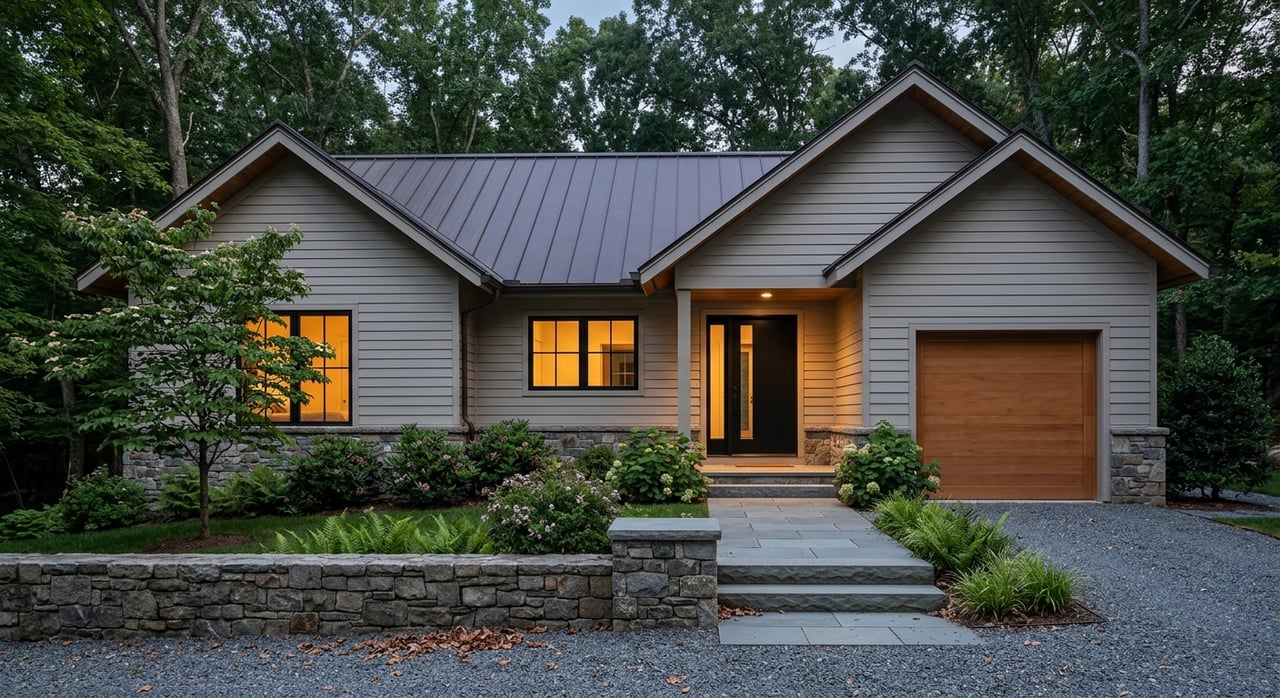
Considering A Downsize From An Estate Home In Biltmore Forest
July 2, 2026
July 2, 2026
Wondering whether it’s time to leave a large estate home behind can feel surprisingly complicated. You may love Biltmore Forest, value its setting, and still know that a big house and substantial grounds ask more of you than they once did. If you are weighing a move, this guide will help you think through the most realistic downsizing paths, the tradeoffs that come with each one, and the questions that matter most before you make a decision. Let’s dive in.
In Biltmore Forest, downsizing is often less about leaving the area and more about simplifying daily life. The town is a small incorporated community of about 2.9 square miles between the Biltmore Estate, the Blue Ridge Parkway, and Asheville, with municipal services that include police, public works, water, zoning, and sanitation.
Its roots as a 1920s residential park still shape what living here feels like today. Lots have historically been mostly 3 to 5 acres, and the town’s planning approach continues to emphasize natural beauty, including tight controls around tree removal and a long-standing discouragement of front-yard structures and fences.
That matters if you own an estate property and want less work. A move to a smaller home within Biltmore Forest may reduce interior square footage, but it may not fully remove the responsibilities that come with landscape care and exterior upkeep.
Before you compare addresses, it helps to define what “downsize” actually means for you. Some owners want fewer rooms to maintain, while others want less land, fewer stairs, easier lock-and-leave living, or better access to dining and events.
That is why square footage alone is not the best guide. The better question is which burdens you want to remove, and which parts of your current lifestyle you want to keep.
These answers usually point toward one of three next-home paths.
For many estate owners, the first instinct is to stay in town and simply buy smaller. That can be an appealing continuity move because you keep the same municipality, the same services, and the same broader neighborhood identity.
This path often works best if your priority is familiarity. You may want a more manageable house, but still value the setting, privacy, and established feel that brought you to Biltmore Forest in the first place.
The key is to look past listing photos and ask a practical question: Will this next property actually reduce work? A smaller house on a smaller lot can still require meaningful outdoor care, especially in a town where landscape stewardship remains part of the ownership experience.
The Ramble offers a different kind of downsizing path. Official community materials describe it as a master-planned, gated community set among 1,000 acres of conserved woodlands, with wooded trails, greenspaces, a staffed gatehouse, and amenities that include pickleball, bocce, and the Living Well Center.
For some Biltmore Forest owners, this is the middle ground between a large estate and an urban condo. You may still own a house and yard, but the setting is more curated and amenity-rich.
That difference is important. This is not the same as moving into a downtown condominium where the land component is far lower. In The Ramble, you may reduce the scale of ownership while still keeping a detached-home lifestyle.
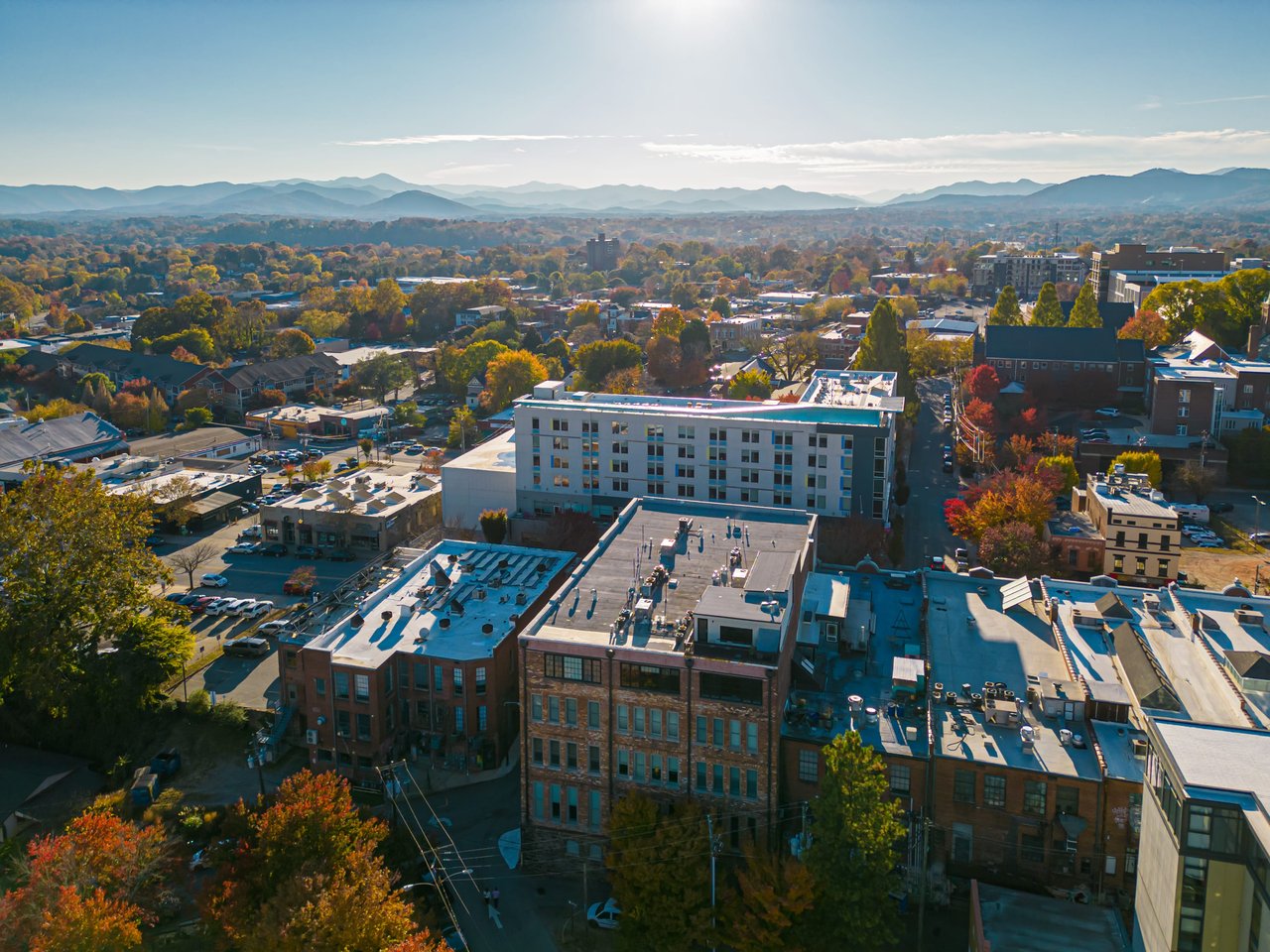
If your goal is the clearest move away from land and landscape management, downtown Asheville is the most distinct lifestyle shift. Explore Asheville describes downtown as a place where the food scene stands out, and staying downtown keeps things walkable.
The City of Asheville also notes that ART bus service runs throughout the city, with all routes originating at the downtown ART Transit Station on Coxe Avenue. For buyers who want easier access to restaurants, events, and transit, downtown living can align well with a simpler day-to-day routine.
This path is often less about trimming square footage and more about changing how you live. Instead of managing substantial grounds, you may trade that work for building dues, shared decision-making, and a more lock-and-leave format.
Downsizing works best when you compare lifestyle and maintenance, not just home size. Here is a simple way to think about the three most likely paths.
| Path | What you keep | What you reduce | Main tradeoff |
|---|---|---|---|
| Smaller home in Biltmore Forest | Town continuity, familiar setting, existing community feel | Interior space, possibly some lot size | You may still have meaningful exterior and landscape work |
| The Ramble | Detached-home lifestyle, amenities, curated setting | Scale of ownership, some maintenance burden | You still own a home and yard, not a true no-land option |
| Downtown Asheville | Walkability, transit access, urban convenience | Land, yard work, many exterior responsibilities | You take on dues, shared budgeting, and condo governance |
A lower-maintenance move usually promises less time spent on upkeep. AARP notes that downsizing can save time on maintenance, especially when a smaller home includes services such as lawn care through HOA dues.
That can be a meaningful quality-of-life improvement. Less square footage often means less cleaning, fewer systems to monitor, and fewer exterior tasks to organize.
Still, lower maintenance rarely means no maintenance. It usually means you are changing the form of responsibility, not eliminating it altogether.
In North Carolina condominiums, the association is responsible for maintaining, repairing, and replacing common elements when necessary. Common expenses must also be assessed to owners at least annually.
That structure can remove many owner tasks, but it introduces a different kind of ownership experience. Your monthly budget needs to account for dues that are generally paid directly to the association rather than included in your mortgage payment.
If downtown condo living is on your shortlist, monthly dues are only part of the picture. North Carolina law requires a condo seller to provide a prospective purchaser, before conveyance, a statement listing the monthly common expense assessment and any other fees payable by unit owners.
That gives you a framework for due diligence. Before you make an offer, it is wise to review monthly dues, transfer-related charges, and any pending assessments that could affect your timing or total cost.
Another issue deserves special attention: deferred maintenance. Fannie Mae says lenders must evaluate special assessments, and unresolved critical repairs or significant deferred maintenance can affect whether a condo is eligible for sale to Fannie Mae until repairs are completed.
For you, that means reserve funding, repair history, and the current condition of the project matter for more than comfort. They can also affect financing and future resale.
Many owners wait to think seriously about downsizing until a maintenance task, renovation need, or tax bill forces the issue. But for most people, this decision is better handled as a planning conversation.
AARP’s 2024 survey found that 75 percent of older adults want to stay in their homes and 73 percent want to stay in their communities. At the same time, 44 percent felt a move was inevitable, with lower housing and maintenance costs among the major reasons, and high property taxes also ranking prominently.
That tension is familiar in Biltmore Forest. You may want to keep your setting and your routines, while also recognizing that a large home may no longer match how you want to spend your time.
Property taxes can be one part of the downsizing conversation, even if they are not the whole story. At 2025 rates, Biltmore Forest’s town tax rate is 0.345 per $100 of assessed value, on top of Buncombe County’s 0.5466 rate, for a combined 0.8916.
Asheville city properties are taxed at a combined 0.9885 per $100. On a $1 million assessed value, that works out to roughly $8,916 in Biltmore Forest versus $9,885 in Asheville city, before any other property-specific charges.
Those figures are useful, but they should be weighed alongside maintenance, dues, convenience, and how much home you actually want to carry. The lowest-stress option is not always the one with the lowest tax line item.
If you are considering a downsize from an estate home in Biltmore Forest, the decision usually comes down to three priorities: continuity, amenities, or walkability. Each one points to a different kind of home and a different daily rhythm.
If continuity matters most, a smaller property within Biltmore Forest may be the right answer. If you want a more curated residential setting with amenities, The Ramble may deserve a close look. If your goal is to shed land and lean into convenience, downtown Asheville is often the clearest fit.
The right move is the one that removes the burdens you no longer want while preserving the parts of home that still matter deeply to you. If you would like a private, tailored conversation about selling an estate property and evaluating your best next-home options, Mills + Coin offers concierge-level guidance for Biltmore Forest sellers and downtown Asheville buyers.
Stay up to date on the latest real estate trends.
At Mills Coin & Co. Real Estate Group, we’re your trusted partner in navigating the Asheville real estate market. Whether you're buying, selling, or investing in property in Asheville, we're here to make the process smooth, seamless, and successful for you.
40 BILTMORE AVE ASHEVILLE, NC 28801