A Buyer’s Guide To Homes In The Ramble Biltmore Forest
May 28, 2026
May 28, 2026
If you are considering a home in The Ramble Biltmore Forest, you are not just choosing a house. You are choosing a homesite, a design process, a gated setting, and a daily rhythm that feels deeply connected to the landscape. For many buyers, that mix is exactly the draw, but it also means the buying path can look different from a typical Asheville-area purchase. In this guide, you will learn what sets The Ramble apart, how to evaluate homes and homesites, and what to watch for before you make your move. Let’s dive in.
The Ramble Biltmore Forest is a master-planned gated community developed by Biltmore Farms that spans more than 1,000 acres of preserved woodlands. Its setting near Asheville and the Blue Ridge Parkway gives it a tucked-away feel while still keeping you close to everyday destinations. That balance is a major reason buyers continue to focus here.
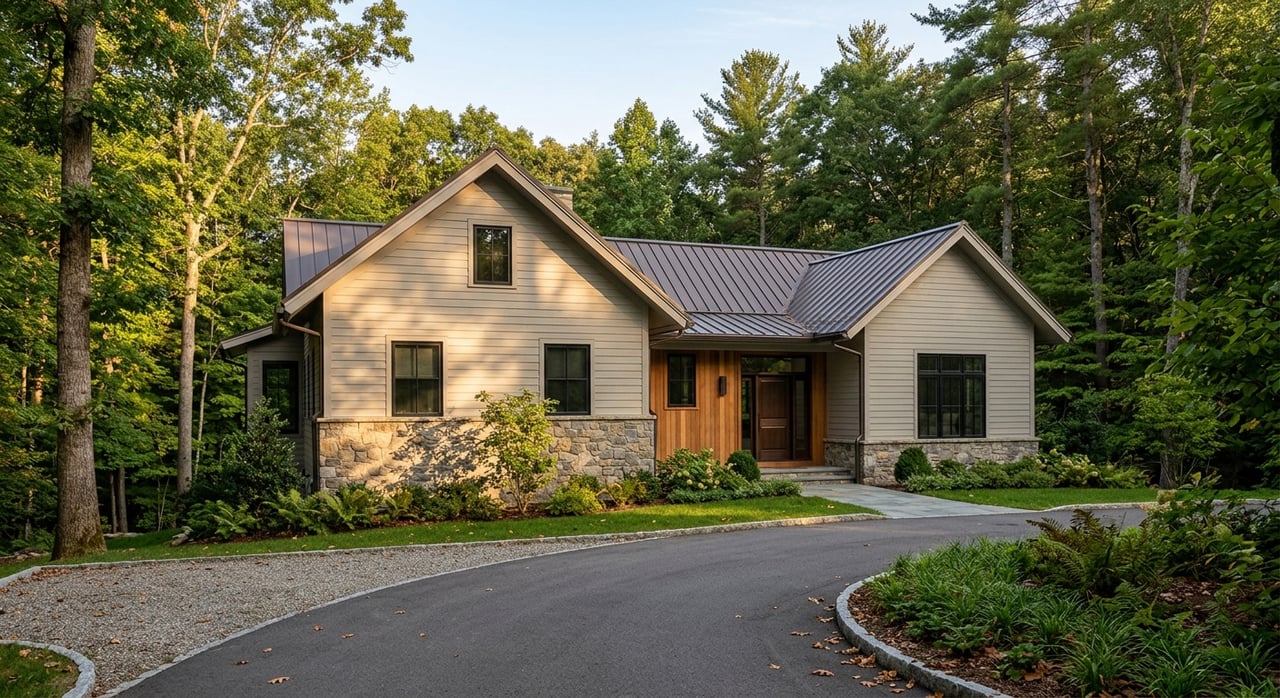
The community’s identity is shaped by conservation-minded planning and a strong relationship to the natural terrain. Instead of forcing homes into one style or layout, the design approach works with topography, sunlight, vegetation, and view potential. As a buyer, that means each property deserves a close, site-specific look.
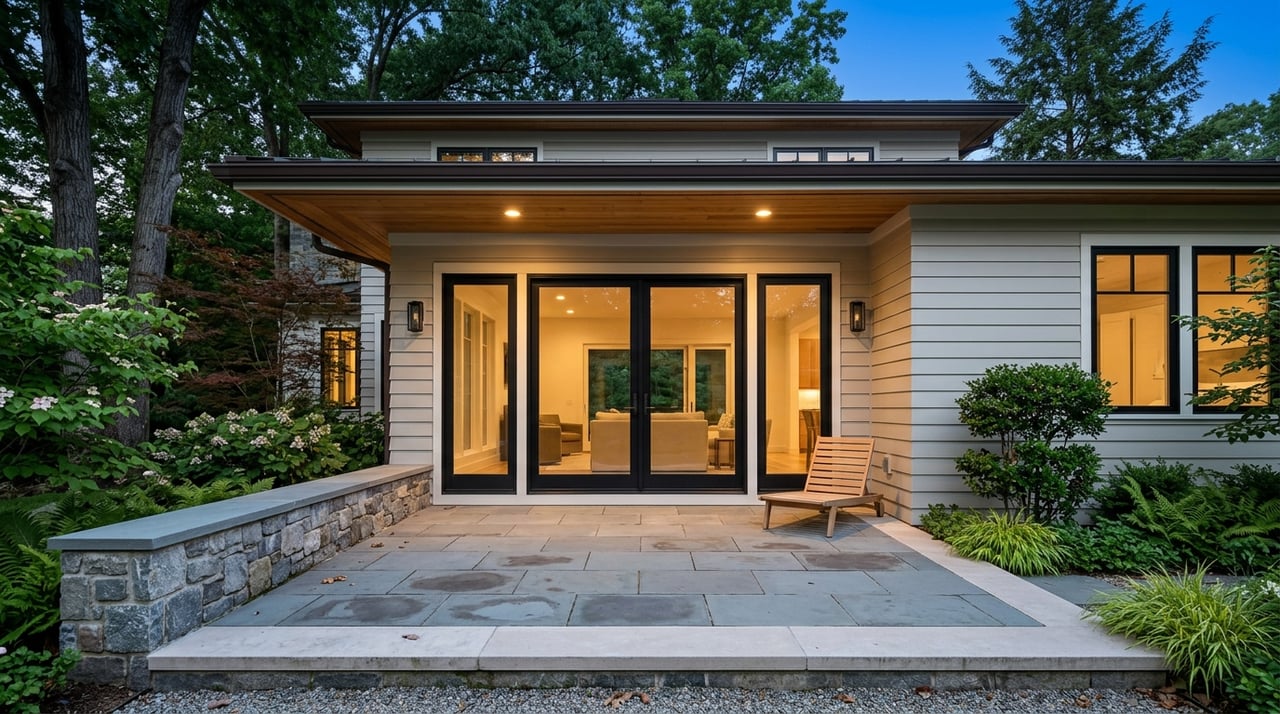
One of the most appealing parts of buying in The Ramble is the range of home styles. Official community materials describe architecture that runs from modern homes to forest-inspired lodge designs. You are not limited to a single look, which gives the neighborhood a more curated and organic feel.
That flexibility does not mean anything goes. Buyers can work with any architect and an approved builder, but plans must be approved by the Design Review Committee, often called the DRC. If you are building, design freedom exists within a structured review process meant to protect the community’s character.
In The Ramble, many opportunities start with land rather than a finished house. Homesite listings are often for land only, and concept homes shown on community pages should be viewed as examples, not the only option for a parcel. This is important because a custom-build purchase is very different from buying a completed home.
A finished home purchase is usually more straightforward. By comparison, a homesite purchase asks you to think through builder selection, design approval, topography, and timeline before construction even begins. If you want a turnkey move, that distinction matters right away.
In many neighborhoods, buyers focus first on acreage and list price. In The Ramble, the buildable envelope can matter just as much as lot size. Privacy, frontage, cul-de-sac placement, slope, greenspace adjacency, driveway layout, and view corridors can all shape the long-term value of a property.
This is why two lots of similar size can feel very different in person and carry very different pricing. A site with an easier build, stronger privacy, better orientation, or more usable outdoor space may command a premium over a larger but more challenging parcel. You want to read the land, not just the listing sheet.
The Ramble offers several lot types and size ranges. Current examples include Terrace or Cottage lots around 0.49 acres, Hamlet lots in Emerald Necklace from about 0.69 to 1.64 acres, and Woodland Preserve sites from roughly 1.4 to 3.71 acres. That variety gives buyers multiple ways to enter the community depending on their goals.
If you want lower-maintenance living with a newly built luxury home, a smaller Terrace or Cottage setting may appeal to you. If you are prioritizing privacy, separation, and a more estate-like feel, larger Woodland Preserve parcels may be a better fit. The right choice depends on how you want to live day to day, not just how much land you want on paper.
The Ramble’s own land-evaluation guidance points to winter as a strong season for reviewing homesites. Leaf-off conditions can make it easier to study slope, natural light, drainage patterns, and view corridors. That can give you a clearer understanding of what the site truly offers.
For a serious buyer, this is valuable context. A parcel that feels private in summer may reveal a very different relationship to neighboring homes, topography, or long-range outlooks in winter. Touring in more than one season can help you make a more confident decision.
The Ramble offers a lifestyle centered on shared outdoor spaces and wellness-oriented amenities. Official amenities include Longmeadow Park, Overlook Park, Crescent Park, Bow Bridge at Dingle Creek, Buck Spring Cabin, a staffed gatehouse, and the 9,000-square-foot Living Well Center. These spaces help define the experience of living here.
The Living Well Center includes a heated saline pool, exercise spaces, pickleball, a fireplace gathering room, and art. Longmeadow Park adds formal gardens, a pavilion, a playground, a basketball court, a multi-purpose field, and a stone fire pit. For many buyers, these features support the sense that the community feels more like a private park than a typical street-grid neighborhood.
Official materials describe multiple miles of trails, with one source noting over 5 miles. That trail network supports the community’s landscape-first design and gives residents another way to move through the neighborhood. If walkability to natural spaces matters to you, this is a meaningful part of the appeal.
The southern part of the community also connects toward Biltmore Park Town Square according to official community materials. That helps reinforce the idea that while The Ramble feels secluded, it is not isolated. You can have a wooded, private setting while staying close to practical daily conveniences.
Ramble pricing is best understood as a snapshot, not a fixed rule. Current official examples show Hamlet lots in the high $400,000s, a 1.64-acre Hamlet lot at $725,000, Woodland Preserve sites at $875,000, $975,000, $1.75 million, $2.1 million, and $2.4 million, with published prices and plans subject to change. Those numbers show the wide spread in land values within the same community.
The key lesson is that value here often reflects land quality as much as size. Privacy, slope, sunlight, driveway approach, greenspace relationship, and view potential can all influence pricing. If you are comparing opportunities, simple price-per-acre math will not tell the full story.
Completed homes should be evaluated more like traditional luxury inventory, though site quality still matters. A current official example at 140 Upperfell Court is a 3,870-square-foot, 3-bedroom, 3.5-bath contemporary new build on a 0.49-acre Terrace or Cottage lot priced at $2.6 million. A recent under-contract home in the cottage section on a 0.40-acre lot was listed at $1.695 million.
For buyers, this creates two very different entry paths. You can buy a completed home and move through a more standard transaction, or you can buy land and shape a custom home over time. Neither path is better for everyone, but each suits a different level of involvement.
If you are looking at a resale or newly completed home, your timeline may feel familiar. If you are buying land and building, expect a longer runway. In The Ramble, that process usually includes homesite selection, architect planning, approved builder selection, design review, and construction.
Because official community materials emphasize site-specific design and DRC approval rather than a fixed build schedule, custom timelines can vary. The main point is simple: building here is usually a longer process than buying an existing home. If timing matters to you, make sure your home search starts with that question.
Before you move forward on a homesite, it helps to ask:
These questions can help you avoid surprises and compare options more intelligently.
This is one of the easiest areas for buyers to overlook. The Town of Biltmore Forest notes that it provides police, public works, water, zoning, and sanitation, but buyers should verify the exact parcel’s jurisdiction before making assumptions about services or taxes. In a community like The Ramble, parcel boundaries and annexation status may be subject to final plat or later change.
Biltmore Forest also states that residents pay both Town and Buncombe County property taxes, with the 2025 town rate listed at 0.345 cents per each $100 of assessed value. That does not mean every property you consider should be treated identically without verification. The safest move is to confirm the parcel-specific tax and jurisdiction picture during due diligence.
The Ramble tends to appeal to buyers who want privacy, design quality, and a strong connection to the land. Some buyers want a completed luxury home in a gated setting with amenities close at hand. Others want the chance to build something more personal within a highly structured, design-conscious community.
If you like the idea of a neighborhood that feels intentional rather than repetitive, The Ramble stands out. It rewards buyers who are willing to look beyond square footage and focus on setting, homesite quality, and the lifestyle the community actually delivers.
If you are weighing whether to buy a finished home or pursue a custom build in The Ramble Biltmore Forest, a guided, property-by-property strategy can make the process much clearer. For a private consultation tailored to your goals, connect with Mills + Coin.
Stay up to date on the latest real estate trends.
At Mills Coin & Co. Real Estate Group, we’re your trusted partner in navigating the Asheville real estate market. Whether you're buying, selling, or investing in property in Asheville, we're here to make the process smooth, seamless, and successful for you.
40 BILTMORE AVE ASHEVILLE, NC 28801