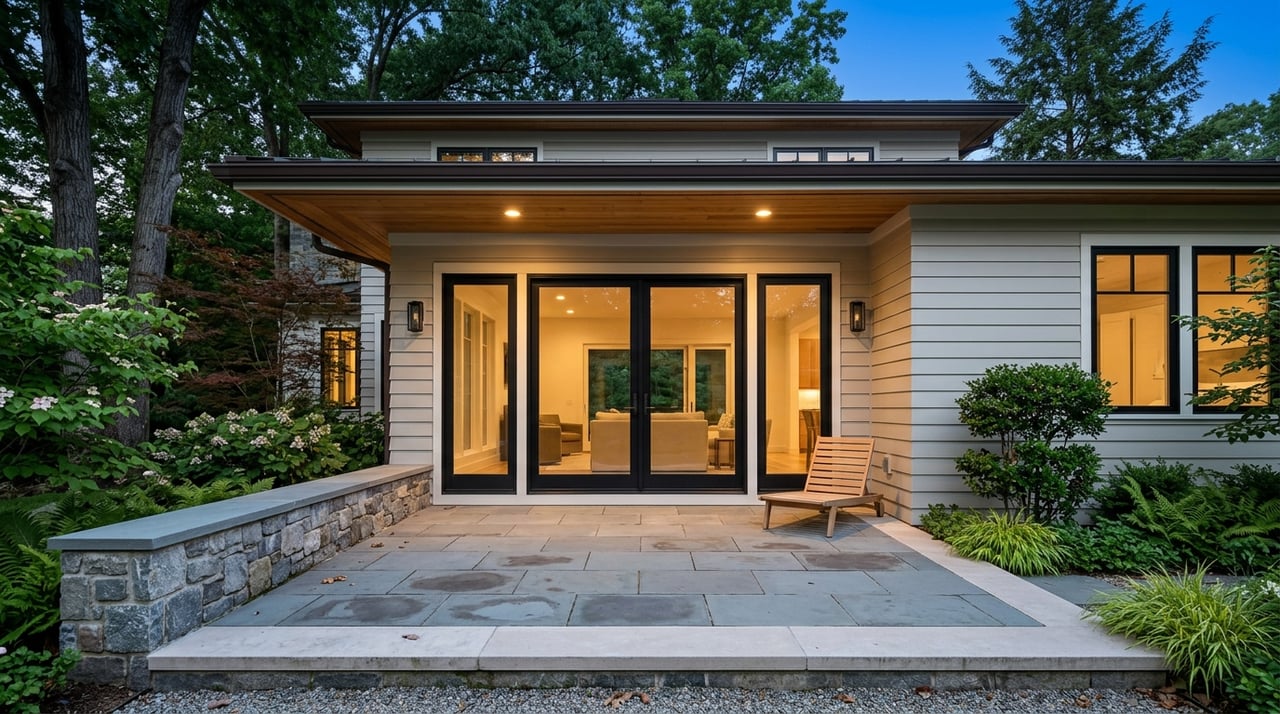
Estate Living In Biltmore Forest: Daily Life And Lifestyle
May 21, 2026
May 21, 2026
If you want privacy, space, and a setting that feels established from day one, Biltmore Forest stands apart. This is a small incorporated town with a distinctly residential rhythm, shaped by large lots, mature trees, and close access to some of the Asheville area’s best-known dining, recreation, and cultural destinations. If you are curious about what daily life actually feels like here, this guide will walk you through the setting, streetscape, amenities, and nearby conveniences that define estate living in Biltmore Forest. Let’s dive in.
Biltmore Forest covers about 2.9 square miles and has an estimated population of 1,343, according to the town. It sits between the Biltmore Estate, the Blue Ridge Parkway, and Asheville, which gives it a tucked-away feel without putting you far from everyday destinations.
What many buyers notice first is how intentionally residential the town feels. Biltmore Forest provides its own police, public works, water, zoning, and sanitation services, and its planning framework emphasizes preservation and low-density residential use. In daily life, that translates to a calm, estate-oriented setting rather than a busy commercial environment.
A big part of the Biltmore Forest lifestyle comes from the scale of the homesites. The town was developed from about 1,500 acres of former Biltmore Estate land after the 1916 flood, and the original plan called for lots that were mostly 3 to 5 acres.
That spacious pattern still shapes the town today. Current zoning requires a minimum lot area of 43,560 square feet in R-1 districts and 20,000 square feet in R-2, R-3, and R-4 districts, with front-yard setbacks of 60 feet in R-1 and 50 feet in the other districts. Those standards help preserve breathing room between homes and support the open, estate-like feel many buyers are looking for.
Biltmore Forest also stands out for its architectural continuity. The town history points to Colonial Revival, Craftsman, Rustic, and Tudor Revival styles as part of its visual character, which helps explain why the area often feels cohesive rather than pieced together.
That sense of continuity is reinforced by local review standards. The town reviews additions, accessory structures, tree removal, and front-yard construction, and it limits the resubdivision of recorded lots. These rules help protect the larger landscape and preserve the character that makes the town feel settled and enduring.
In Biltmore Forest, the tree canopy is not just scenery. It is part of how the town functions and how it feels to live there.
The town describes a long history of tree protection and preservation, and it updated its tree-preservation ordinance in October 2023. Replanting requirements for certain tree removals also support the long-term landscape. For you as a resident, that means the natural setting is a central part of daily life, from shaded streets to wooded homesites and a softer visual edge throughout town.
While Biltmore Forest is known for its private residential setting, it also includes public green space that supports an easy outdoor routine. The town maintains Rosebank Park and Greenwood Park for public enjoyment.
Rosebank Park includes a play set, benches, and an open play area. Whether you want a quiet walk, a casual outdoor break, or a nearby park setting for unstructured time outside, these spaces add to the lived-in comfort of the town.
For many residents, club access is part of the appeal of living in or near Biltmore Forest. Biltmore Forest Country Club is the primary private-club anchor in town. It was founded in 1922, is invitation-only, and sits on 135 acres.
The club offers a Donald Ross golf course, clubhouse, fitness center, tennis facilities, and a pool. That mix supports a lifestyle that is active, social, and rooted in place. If you value the option of golf, racquet sports, fitness, and club dining close to home, this is one of the defining parts of the area’s rhythm.
One of the benefits of Biltmore Forest is that you can enjoy a peaceful residential setting without feeling cut off from restaurants and retail. Nearby Historic Biltmore Village is a major part of that balance.
The district is known for brick-lined streets, locally owned boutiques, galleries, and restaurants, along with a mix of independent dining spots and national favorites. Its restaurant guide includes names such as The Corner Kitchen, Gemelli, Red Stag Grill, and Ruth’s Chris Steak House. For residents, that means polished dining options are close by, but they do not define the streetscape of the town itself.
Living in Biltmore Forest also means you are next to one of the region’s signature leisure landscapes. On the estate, Antler Hill Village includes the Winery, shops, restaurants, live music, the Farmyard, and Pisgah Playground.
The broader grounds span 8,000 acres and include six gardens, a Conservatory, and more than 20 miles of trails along the French Broad River and through wooded landscape. Even if you are not there every day, that proximity adds depth to the lifestyle. It gives you nearby access to trails, gardens, events, and seasonal outings in a setting that feels far bigger than a typical neighborhood backdrop.
Biltmore Forest feels quiet and residential, but it is not isolated. Nearby wellness destinations include The Spa at Grand Bohemian in Historic Biltmore Village and Shoji Spa and Lodge, which offers saltwater tubs, a sauna, outdoor showers, and massage.
If arts and culture are part of how you like to spend your time, downtown Asheville and the River Arts District are also nearby. The Asheville Art Museum is located at 2 South Pack Square downtown, and the River Arts District is home to hundreds of working artists. For many buyers, that combination is the point: a home base that feels calm and private, with culture and activity close when you want it.
In practical terms, daily life in Biltmore Forest tends to be less about constant activity and more about quality of setting. You may start your morning on a wooded lot, head out to golf or tennis, meet friends for lunch in Biltmore Village, and still be home in a landscape that feels removed from the pace of the city.
That does not mean the town is disconnected. It means the lifestyle is shaped by contrast. You get a protected residential environment paired with convenient access to dining, recreation, and Asheville’s cultural core.
For the right buyer, Biltmore Forest offers a specific kind of value that is hard to replicate. It is not about density, nightlife, or a long list of commercial amenities within the neighborhood itself. It is about land, trees, architectural continuity, and a sense of permanence.
Buyers who are drawn to this setting often appreciate:
Taken together, those features create a lifestyle that feels polished, quiet, and rooted in place.
If you are searching for a home that offers privacy and presence, Biltmore Forest deserves a close look. Its planning framework, lot standards, and preservation approach all support a residential environment that feels intentionally protected.
That is a meaningful distinction in the Asheville market. Biltmore Forest is not trying to be everything at once. It offers a focused lifestyle built around space, greenery, club culture, and quick access to some of the region’s most recognizable destinations.
If you are considering estate living in Biltmore Forest or comparing premium Asheville-area neighborhoods, Mills + Coin offers the local insight and concierge-level guidance to help you evaluate the fit and move with confidence.
Stay up to date on the latest real estate trends.
At Mills Coin & Co. Real Estate Group, we’re your trusted partner in navigating the Asheville real estate market. Whether you're buying, selling, or investing in property in Asheville, we're here to make the process smooth, seamless, and successful for you.
40 BILTMORE AVE ASHEVILLE, NC 28801