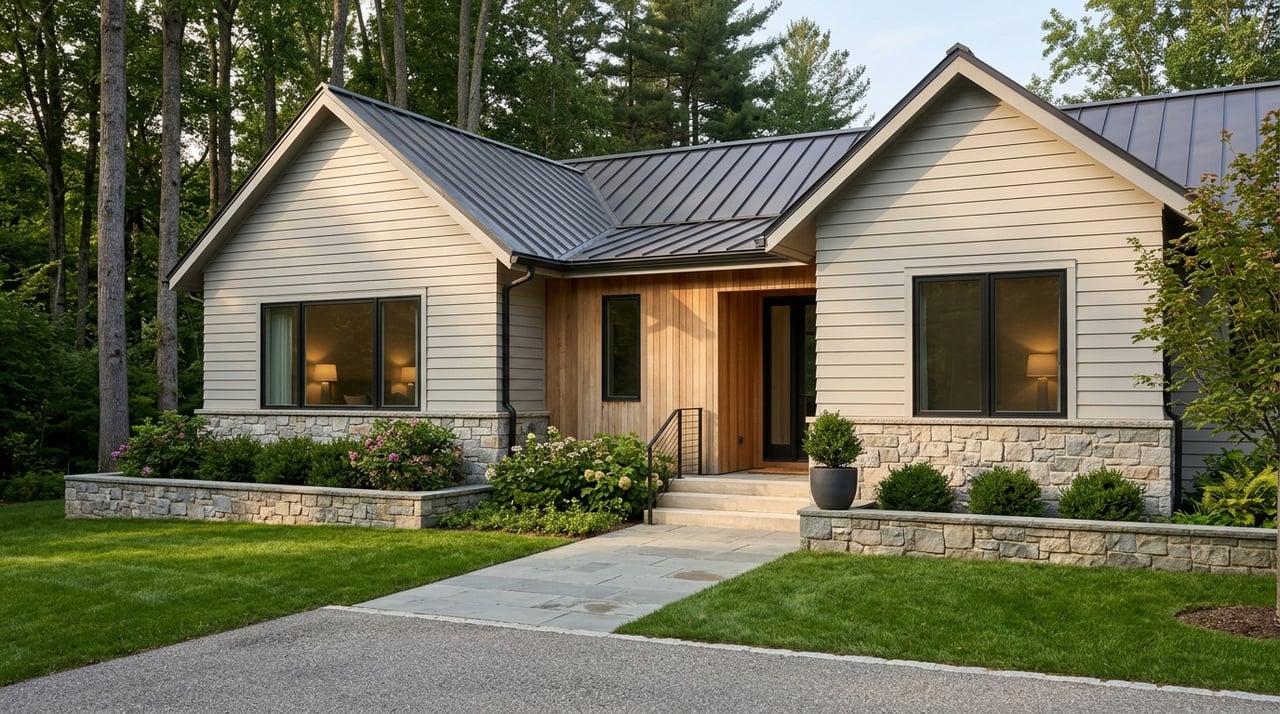
Biltmore Park, The Ramble, Or Biltmore Forest: How They Compare
April 2, 2026
April 2, 2026
Choosing between Biltmore Park, The Ramble, and Biltmore Forest can feel tricky because each offers a very different version of Asheville-area living. If you are weighing convenience, privacy, home style, and day-to-day upkeep, it helps to look past the names and focus on how each place actually functions. This guide breaks down the differences in a clear, practical way so you can better identify which setting fits your priorities. Let’s dive in.
From a Biltmore Park starting point, these three communities sit on a clear spectrum. Biltmore Park is the mixed-use, convenience-focused option, The Ramble is the private gated woodland option, and Biltmore Forest is the historic low-density town option, based on each community’s official descriptions.
That difference matters because your daily routine can look very different in each place. One setting may make errands and dining easy on foot, another may center more on trails and private amenities, and another may appeal if you want a traditional town structure with larger lots and municipal services.
| Community | Best known for | Housing pattern | Amenities | Ownership feel |
|---|---|---|---|---|
| Biltmore Park | Mixed-use convenience | Flats and townhomes | Retail, dining, events, property services, security | Lower-maintenance, more bundled |
| The Ramble | Gated wooded privacy | Custom homesites and approved designs | Trails, parks, wellness spaces, staffed gatehouse | More custom and owner-directed |
| Biltmore Forest | Historic town living | Single-family detached homes on larger lots | Public parks and town services | Traditional homeownership within town regulations |
Biltmore Park describes itself as a planned neighborhood and modern urban village just off I-26, with access to downtown Asheville and the airport. The community’s official information notes it is about 10 minutes from Asheville Regional Airport and 15 minutes from downtown Asheville.
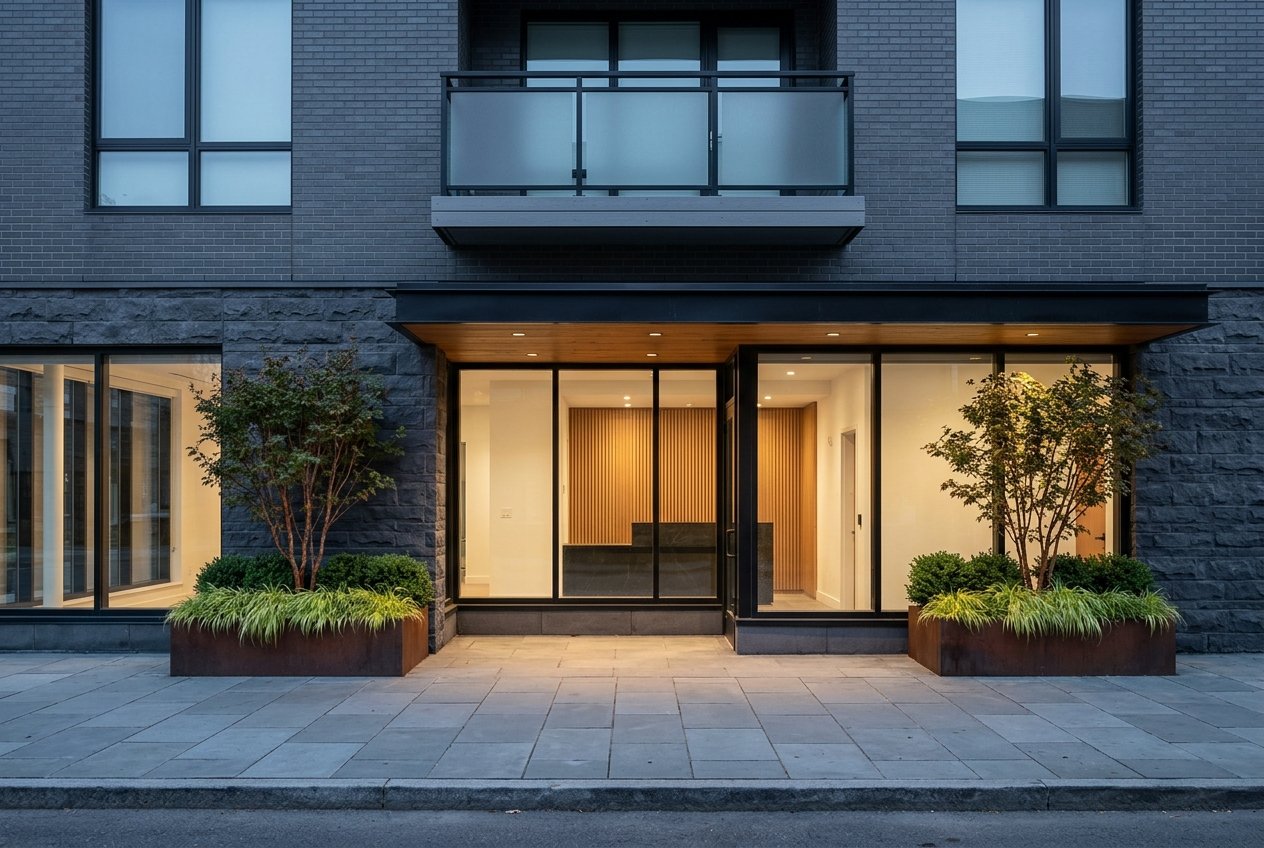
If you want a place that feels connected to everyday errands and services, this is the most convenience-driven of the three. Shops, dining, services, and free parking are all part of the broader Town Square environment.
The residential offerings currently center on 1- and 2-bedroom flats and 2-bedroom townhomes. That makes Biltmore Park structurally different from the other two options, which lean more toward detached homes and larger lots.
For many buyers, that housing mix supports a more turnkey lifestyle. It can be especially appealing if you want attached living and a setup that may reduce the amount of exterior upkeep you manage personally.
Biltmore Park has the most public-facing amenity structure of the three. According to the official site, Town Square includes retail, dining, services, farmers markets, wellness events, on-site property services, and 24/7 security.
The residential side also includes features such as a pool, 24-hour fitness center, door-to-door trash and recycling, community trails, and 24-hour maintenance emergency response. If your priority is easy access to services and a built-in community rhythm, Biltmore Park stands out.
The Ramble is positioned very differently. Its official site describes a gated master-planned community within 1,000 acres of preserved woodlands, bordering the Blue Ridge Parkway.
This setting is more private and more curated than Biltmore Park. If you are drawn to a wooded environment, controlled entry, and a more resident-focused amenity network, The Ramble may feel like a stronger fit.
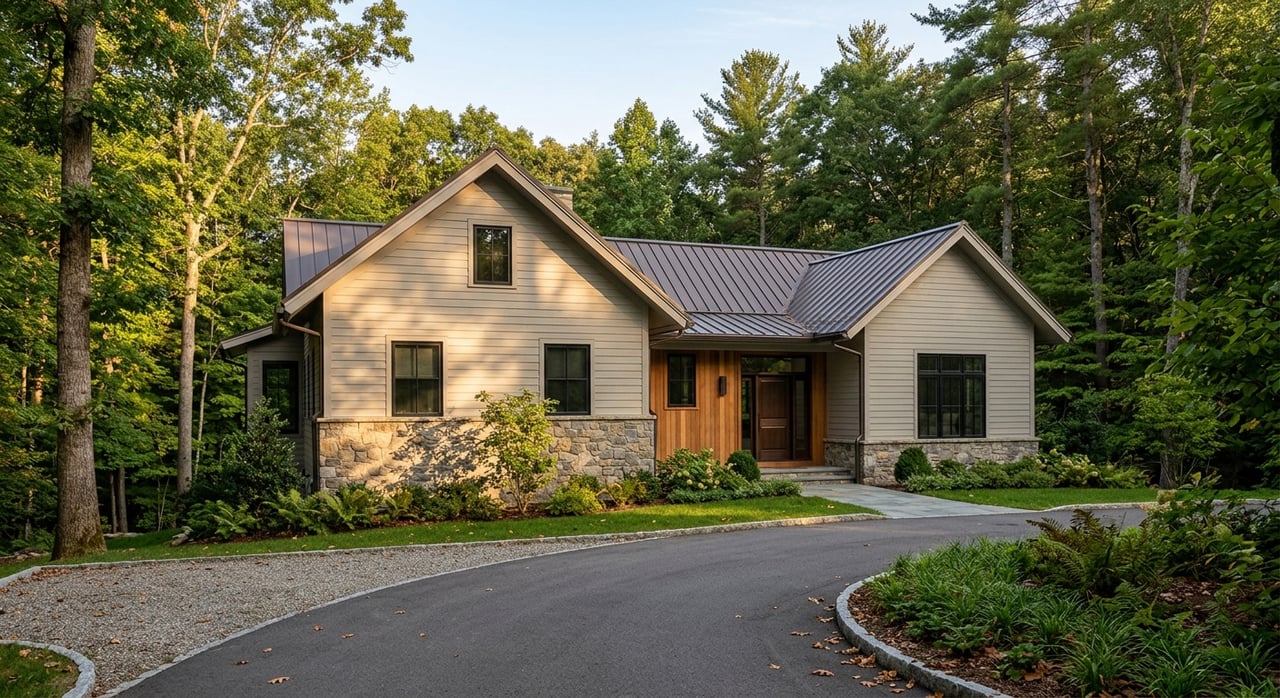
Housing in The Ramble is more custom and site-specific. Official homesite pages show Woodland Preserve and Terrace or Cottage lots, and home designs must be approved by the Ramble Design Review Committee.
That approval structure gives the community a more guided architectural feel. It also points to a homebuying experience that may involve more decisions around lot selection, design, and build approach than you would typically see in Biltmore Park.
The amenity package in The Ramble centers less on public commerce and more on private resident use. According to the official amenities page, the community includes Longmeadow Park, more than 5 miles of trails, the Living Well Center, Buck Spring Cabin, and a staffed gatehouse.
Longmeadow Park includes formal gardens, a pavilion, playground, basketball court, multi-purpose field, and fire pit. The Living Well Center includes a heated saline pool, exercise spaces, pickleball, a great room fireplace, and art display space.
Biltmore Forest is fundamentally different because it is a municipality rather than a master-planned neighborhood. The town says it was incorporated in 1923 and is located between the Biltmore Estate, the Blue Ridge Parkway, and Asheville.
That civic structure shapes how the community functions. Instead of a bundled private amenity model, you have a traditional town framework with public services, local regulations, and a strong emphasis on landscape preservation.
Official planning materials describe Biltmore Forest as centered on single-family detached homes on relatively large lots, with limited nonresidential uses and design controls that reinforce a low-density character. The town’s comprehensive plan also highlights tree protection and other development standards tied to that setting.
If you are looking for a detached home environment with more space between homes, Biltmore Forest offers a very different pattern than Biltmore Park. It also differs from The Ramble because the structure is municipal rather than gated and master-planned.
Biltmore Forest’s amenities are town-based. The town maintains Rosebank and Greenwood Parks, and Public Works handles sanitation, brush collection, streets, street lights, and water services.
That setup can appeal to buyers who prefer a classic town model over a resort-style amenity network. It creates a different ownership experience, with public infrastructure handled by the town while homeowners remain responsible for their own property.
Biltmore Park appears to offer the lowest exterior-upkeep burden in its residential core. That conclusion is supported by the attached housing types, community management, door-to-door trash and recycling, and property-service structure described on the official site.
If low-friction living is high on your list, Biltmore Park may be the easiest fit. It is the clearest option for buyers who want a more bundled day-to-day experience.
The Ramble suggests a more homeowner-driven ownership model. Because homesites can be larger, designs are custom-oriented, and the community emphasizes approved builders and design review, ownership tends to look more hands-on even with shared parks, trails, and wellness amenities maintained at the community level.
That can be a benefit if you want more individuality in the home itself. It may be less ideal if your top priority is minimizing responsibility tied to the home and grounds.
Biltmore Forest sits in a different category. The town handles core public services and park maintenance, but homeowners manage their own lots and exterior conditions within a more regulated framework.
For some buyers, that balance feels familiar and appealing. You get the structure of a town with public services, but your property remains your direct responsibility.
You may feel most at home in Biltmore Park if you want to be close to errands, dining, fitness, and events. It is the strongest match for buyers seeking a connected, mixed-use setting with attached housing and a more streamlined lifestyle.
You may lean toward The Ramble if you want a gated setting, preserved woodlands, custom-home flexibility, and resident-only amenities. It tends to suit buyers who want privacy and a more curated natural environment.
You may be drawn to Biltmore Forest if you want historic town character, larger lots, and a civic framework rather than a mixed-use village or gated community. It is a strong option if you prefer traditional detached-home ownership in a low-density setting.
There is no single best choice between Biltmore Park, The Ramble, and Biltmore Forest. The right fit depends on whether you want walkable convenience, private wooded living, or a historic town environment with larger lots and municipal services.
If you are comparing these communities as part of a move in the Asheville area, a thoughtful side-by-side review can save time and help you focus on the options that truly match your lifestyle goals. For a personalized conversation about luxury condos, townhomes, and select estate opportunities in Asheville’s most sought-after settings, connect with Mills + Coin.
Stay up to date on the latest real estate trends.
At Mills Coin & Co. Real Estate Group, we’re your trusted partner in navigating the Asheville real estate market. Whether you're buying, selling, or investing in property in Asheville, we're here to make the process smooth, seamless, and successful for you.
40 BILTMORE AVE ASHEVILLE, NC 28801