North Asheville Or Downtown Condo: Which Fits Your Lifestyle
March 24, 2026
March 24, 2026
Torn between a classic North Asheville home and a lock-and-leave downtown condo? You are not alone. Each option offers a distinct rhythm, from leafy streets and private yards to vibrant, walkable blocks steps from galleries and dining. In this guide, you will compare lifestyle, costs, walkability, green space, rules, and day-to-day logistics so you can choose with confidence. Let’s dive in.
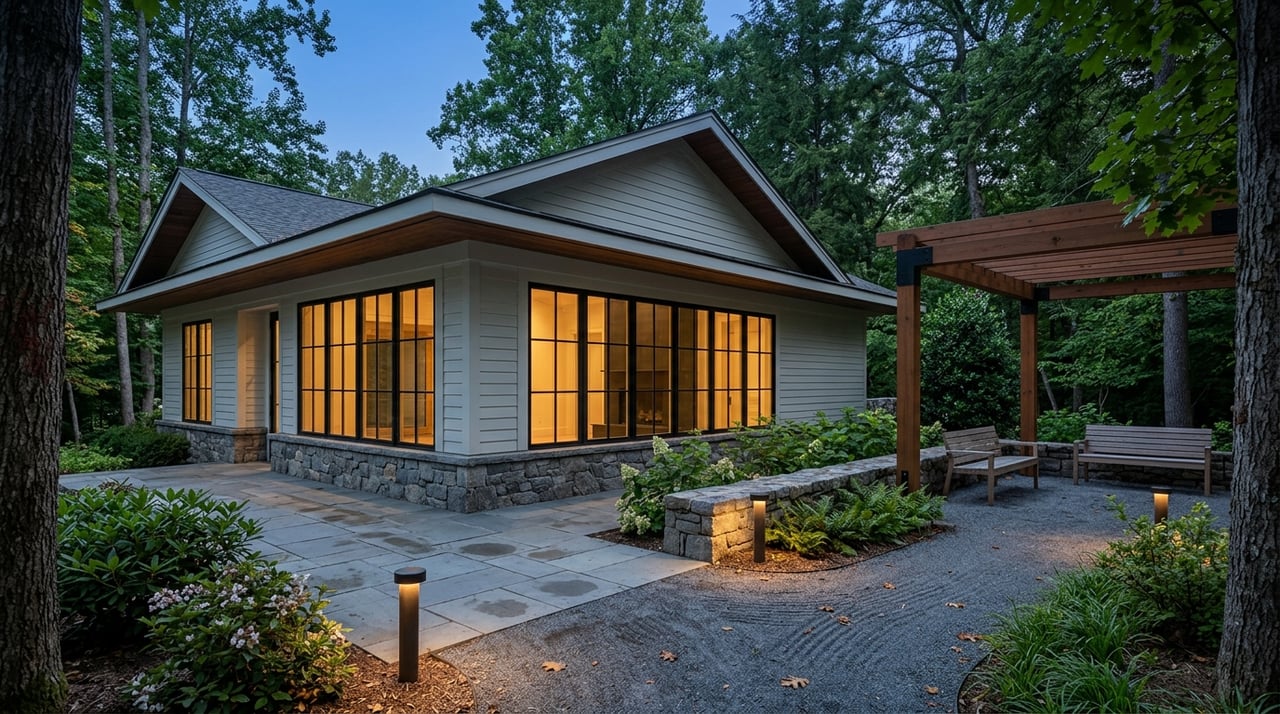
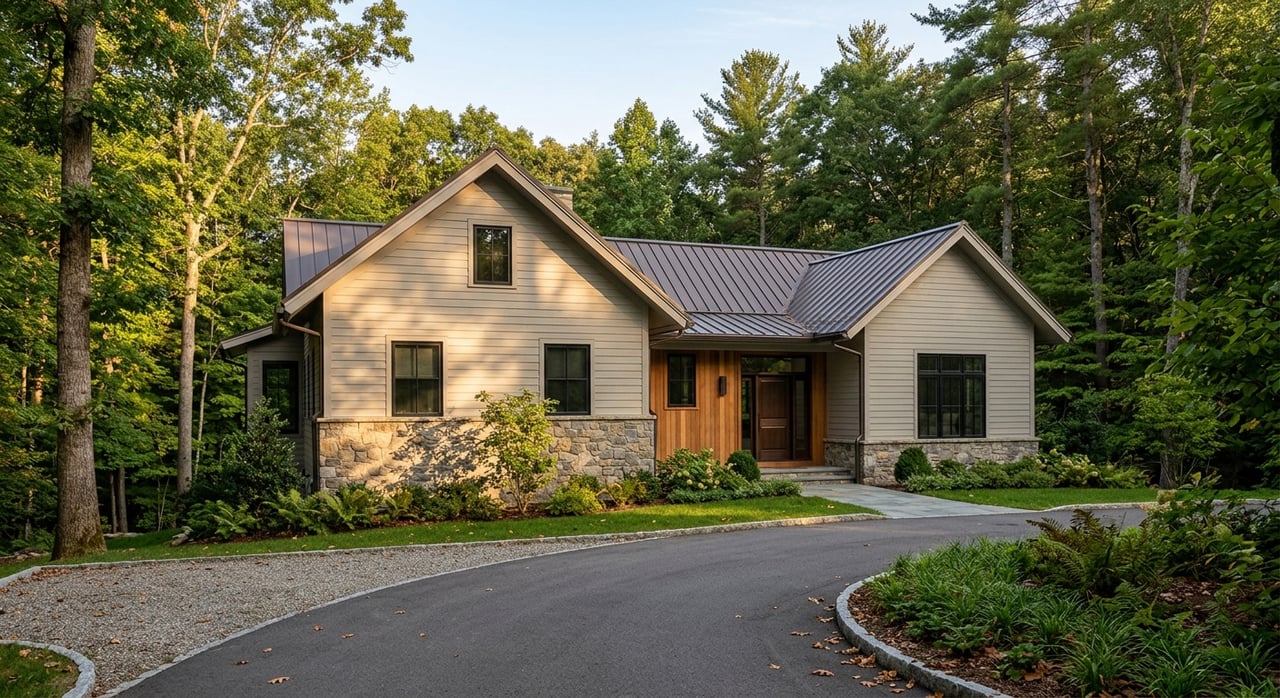
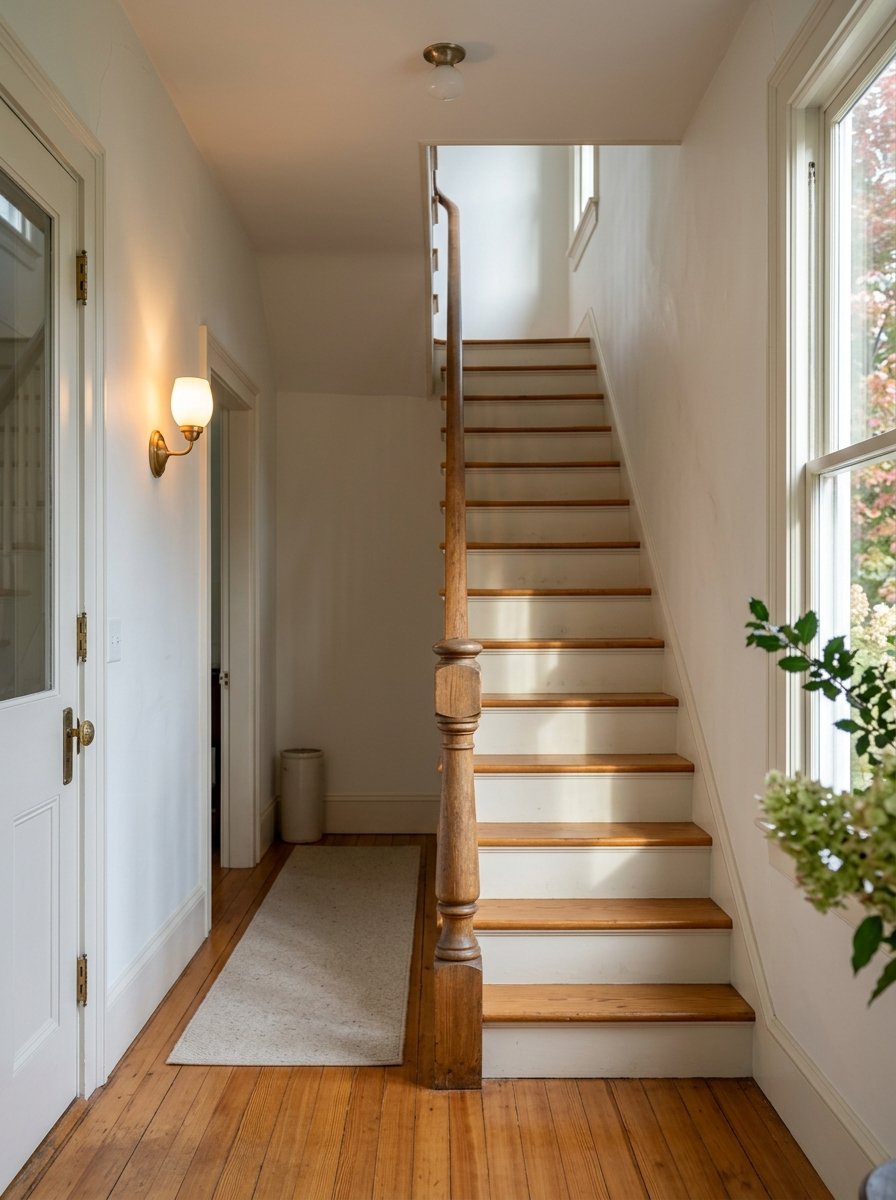
North Asheville (ZIP 28804 and adjacent in-town pockets) is largely single-family: early 20th-century homes in historic areas, mid-century ranches, and selective newer infill. Many properties offer yards, garages, and extra storage that households value. Market snapshots place typical 28804 home values around the 575,000 to 600,000 range, with wide variation by block, lot, and condition. Nearby historic districts, such as Montford’s heritage streets, illustrate the area’s architectural character.
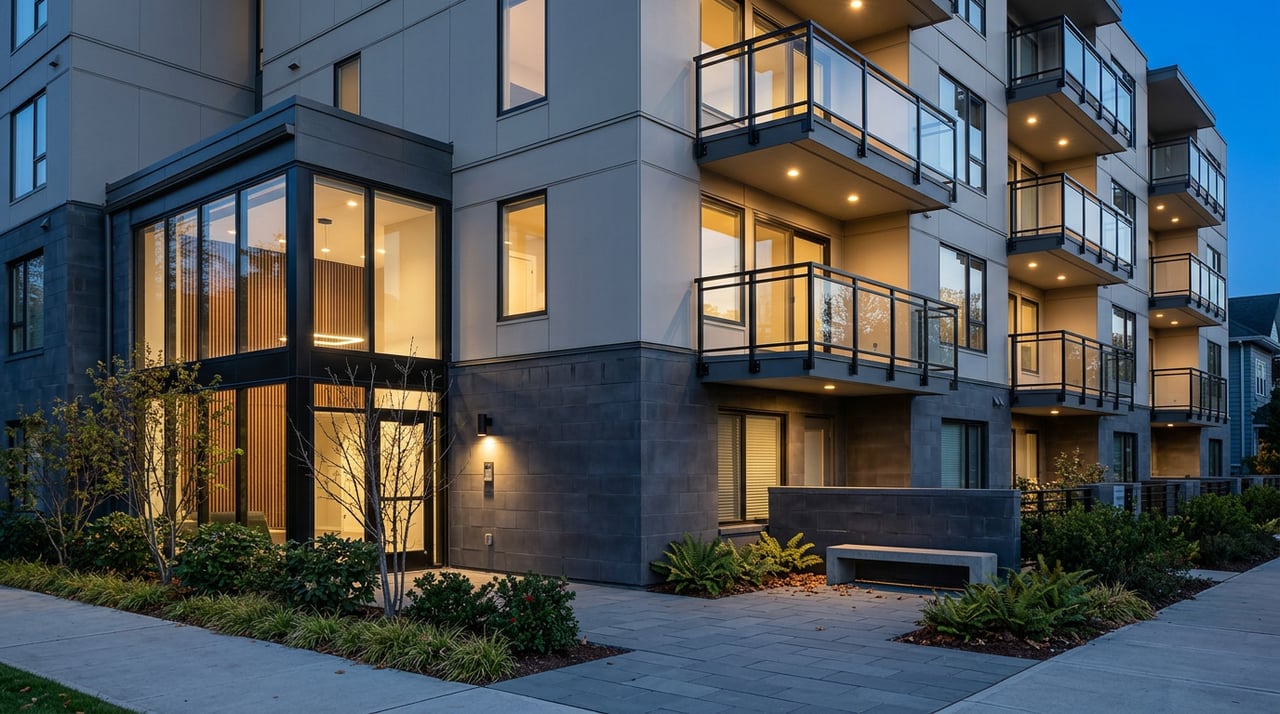
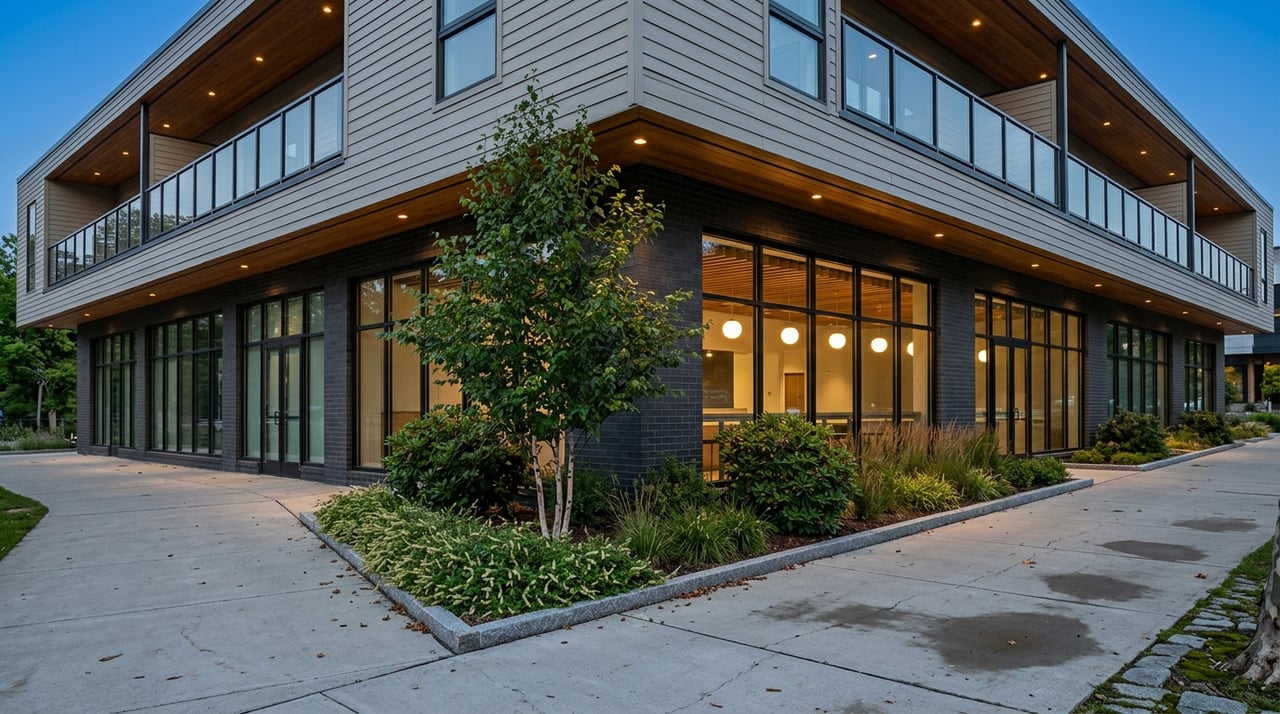
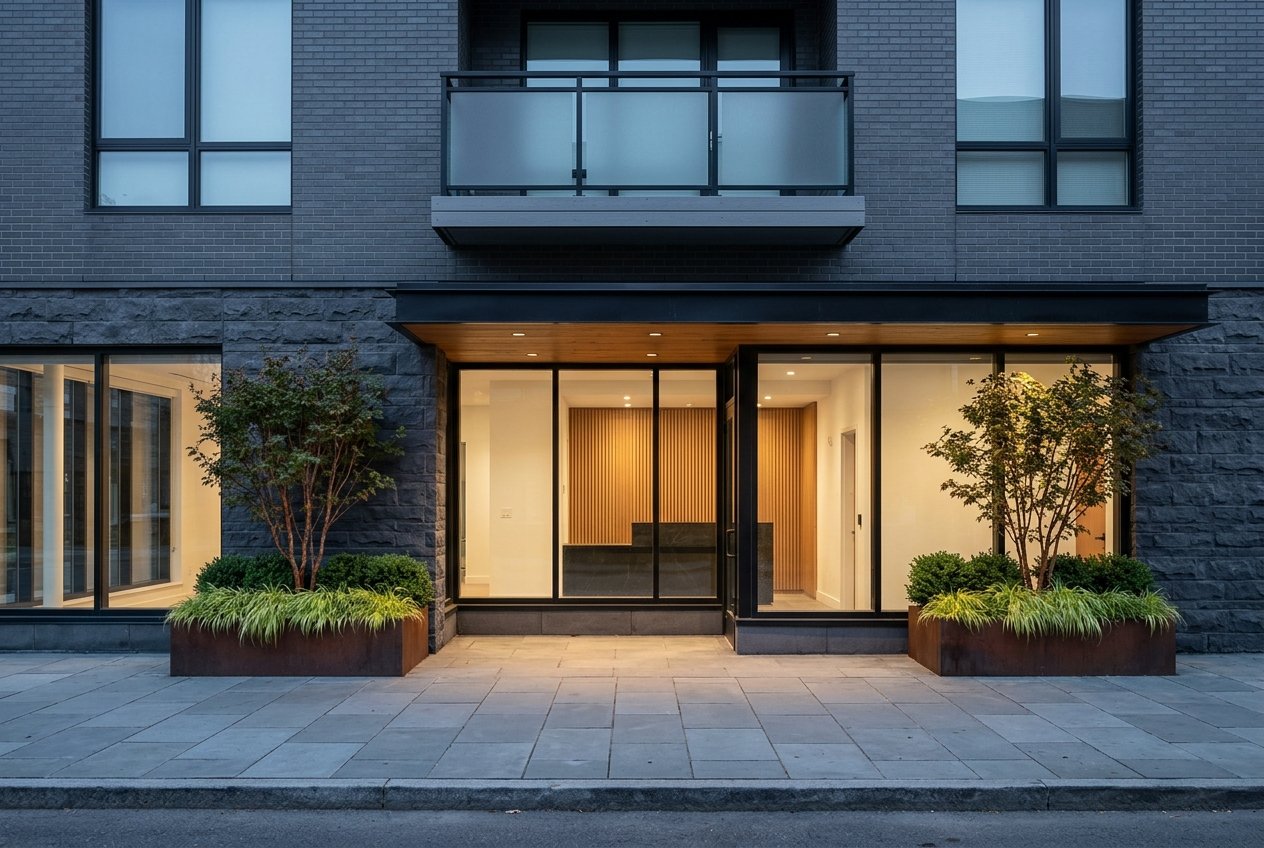
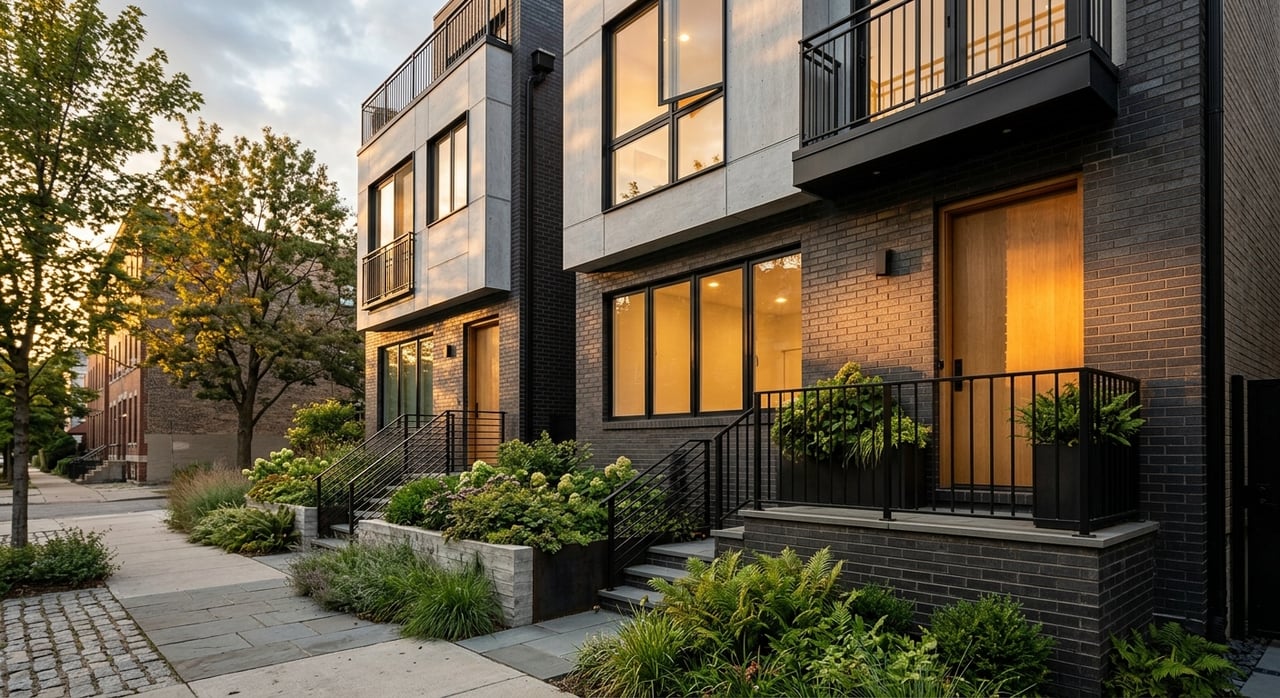
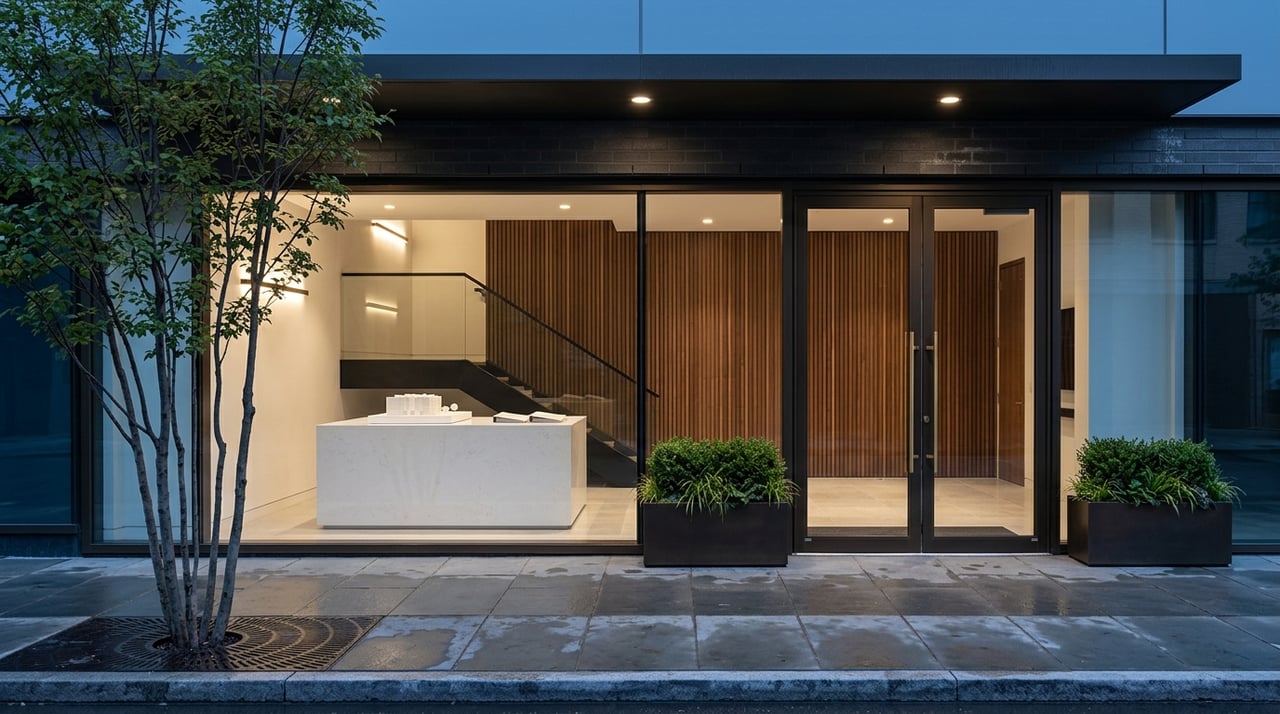
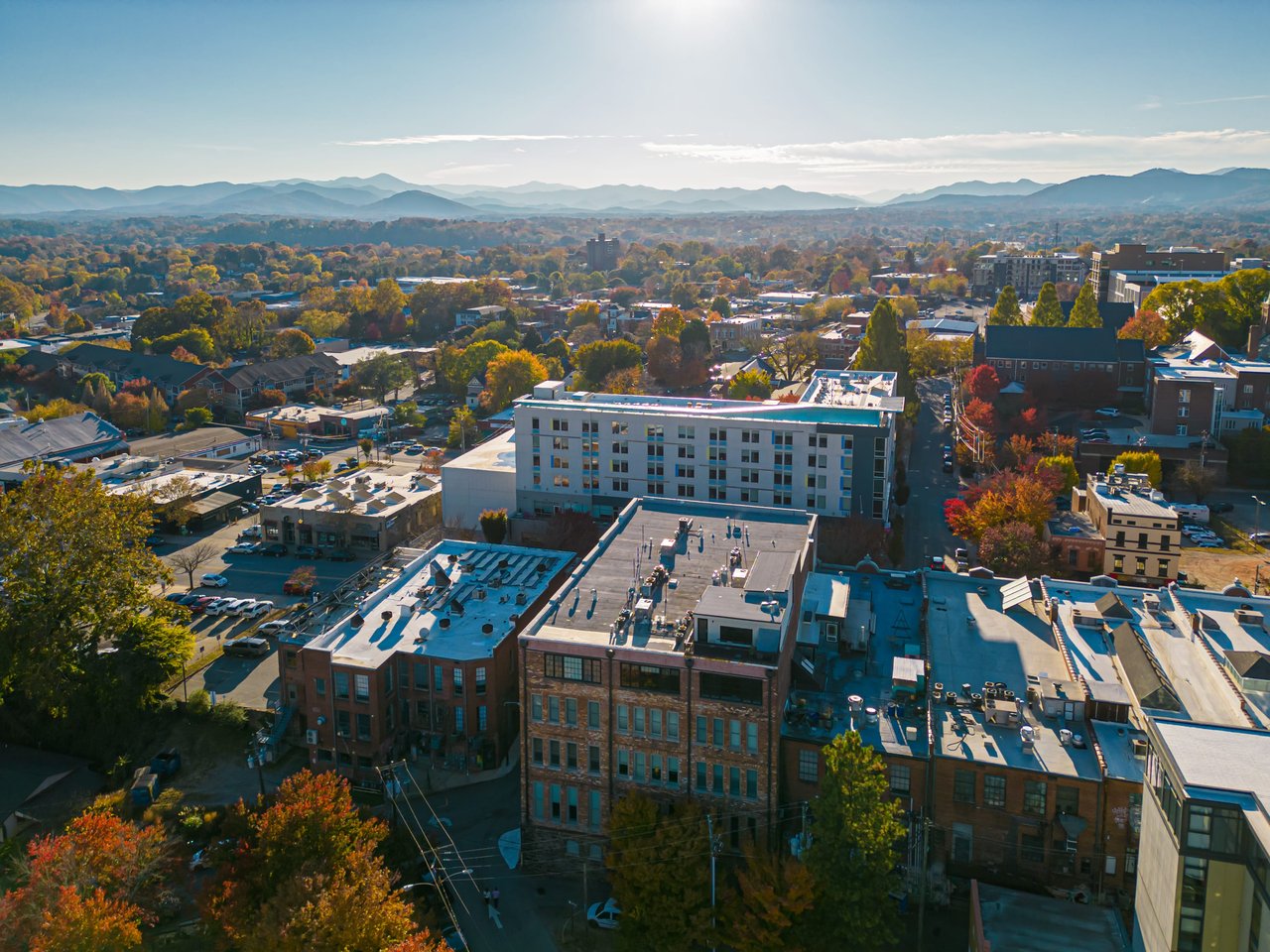
Downtown Asheville’s Historic District is primarily multi-unit living: lofts, condo conversions, and newer luxury buildings. Exterior updates often fall under local design review, so plan ahead when considering renovations by referencing the city’s historic district guidelines. Pricing varies widely. You can find smaller or older conversion units under 500,000, while amenity-rich towers often trade much higher. Recent snapshots have shown some median listing figures above 900,000, which reflects building mix and timing. Monthly HOA dues also range notably, from under 200 dollars in smaller conversions to 500 dollars or more in full-amenity towers.
If walkability is a priority, downtown delivers it. Central blocks regularly post Walk Score ratings in the high 80s to low 90s, meaning many errands, restaurants, and arts venues are reachable on foot. Explore a sample map in the Walk Score downtown view.
Much of 28804 is car-dependent or somewhat walkable, with scores often in the mid-40s to mid-50s depending on proximity to Merrimon Avenue, UNCA, or local neighborhood nodes. Your exact block matters, so map daily destinations before deciding.
Asheville Rides Transit (ART) hubs downtown, with northbound routes serving Merrimon and UNCA, which helps reduce car trips for central residents. Get a quick system overview on the ART page. Citywide, the mean travel time to work is about 18.2 minutes, according to U.S. Census QuickFacts. Downtown living can trim driving and parking time, while North Asheville trips vary by your workplace and route.
Downtown residents enjoy quick access to galleries, theatres, and parks. Pack Square Park anchors the urban core and hosts community events, making it a convenient social hub. The French Broad riverfront and regional venues are a short drive away.
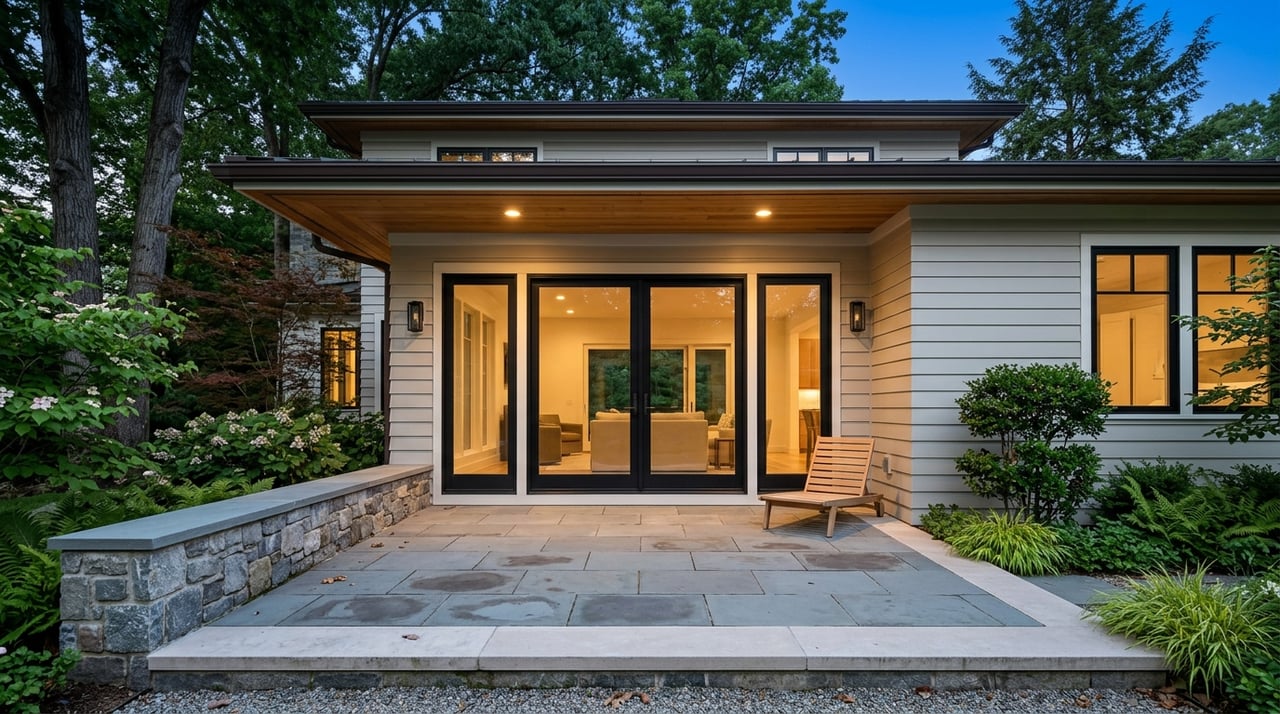
North Asheville neighborhoods typically offer larger private outdoor areas and close-by pocket parks. Lakeview Park and Beaver Lake are known for scenic loops, and nearby heritage parks provide quieter recreation. If hosting on your own patio, gardening, or a workshop space matters, this side of town often fits well.
Owning a detached home means you handle exterior upkeep, landscaping, and system replacements. A common planning guide is to budget 1 to 4 percent of the home’s value per year for maintenance and repairs, with older homes often requiring more. For context on ownership costs, review this home maintenance budgeting guidance.
Condo HOAs typically cover exterior maintenance, common-area insurance, landscaping, elevators, and more, which can lighten your to-do list. In exchange, you pay monthly dues that vary by amenities and reserve health. Before you buy, request the HOA budget, recent meeting minutes, the latest reserve study, any special assessments, and a summary of what dues cover. These documents are essential to compare true cost of ownership and resale appeal.
Properties in the Downtown Asheville Historic District follow local design guidelines for many exterior changes. Renovation timelines and materials may be affected, so consult the city’s historic resources guidance early in your planning.
North Carolina’s Vacation Rental Act provides a state framework, while Asheville and Buncombe County set local zoning and operating rules. Whole-home short-term rentals are tightly limited in many residential zones. Some owner-occupied homestays are allowed with permits, subject to local rules. Always confirm current regulations and an HOA’s rental policy before modeling rental income. You can review the statute text in the NC General Statutes.
Many downtown buildings rely on assigned spaces in small private garages or nearby public decks. Monthly passes and guest parking rules can affect convenience and cost. For a sense of public options, see Buncombe County’s overview of downtown parking resources.
Detached homes commonly include driveways, garages, and on-site storage. Multiple vehicles, hobby gear, and workshop setups are often easier to accommodate, which simplifies daily routines.
Ready to see how these tradeoffs look in real life? Schedule a private tour of both options and get a clear, data-backed plan tailored to your goals. Connect with Mills + Coin to schedule a private consultation and showroom visit.
Stay up to date on the latest real estate trends.
At Mills Coin & Co. Real Estate Group, we’re your trusted partner in navigating the Asheville real estate market. Whether you're buying, selling, or investing in property in Asheville, we're here to make the process smooth, seamless, and successful for you.
40 BILTMORE AVE ASHEVILLE, NC 28801