Condo And Townhome Living In Asheville’s River Arts District
May 14, 2026
May 14, 2026
If you want a home that puts art studios, greenways, breweries, and downtown Asheville within easy reach, the River Arts District likely already has your attention. It offers a very different experience from a traditional neighborhood, and that difference is exactly what draws many condo and townhome buyers in. If you are weighing lifestyle, convenience, and practical trade-offs, this guide will help you understand what condo and townhome living in Asheville’s River Arts District really looks like. Let’s dive in.
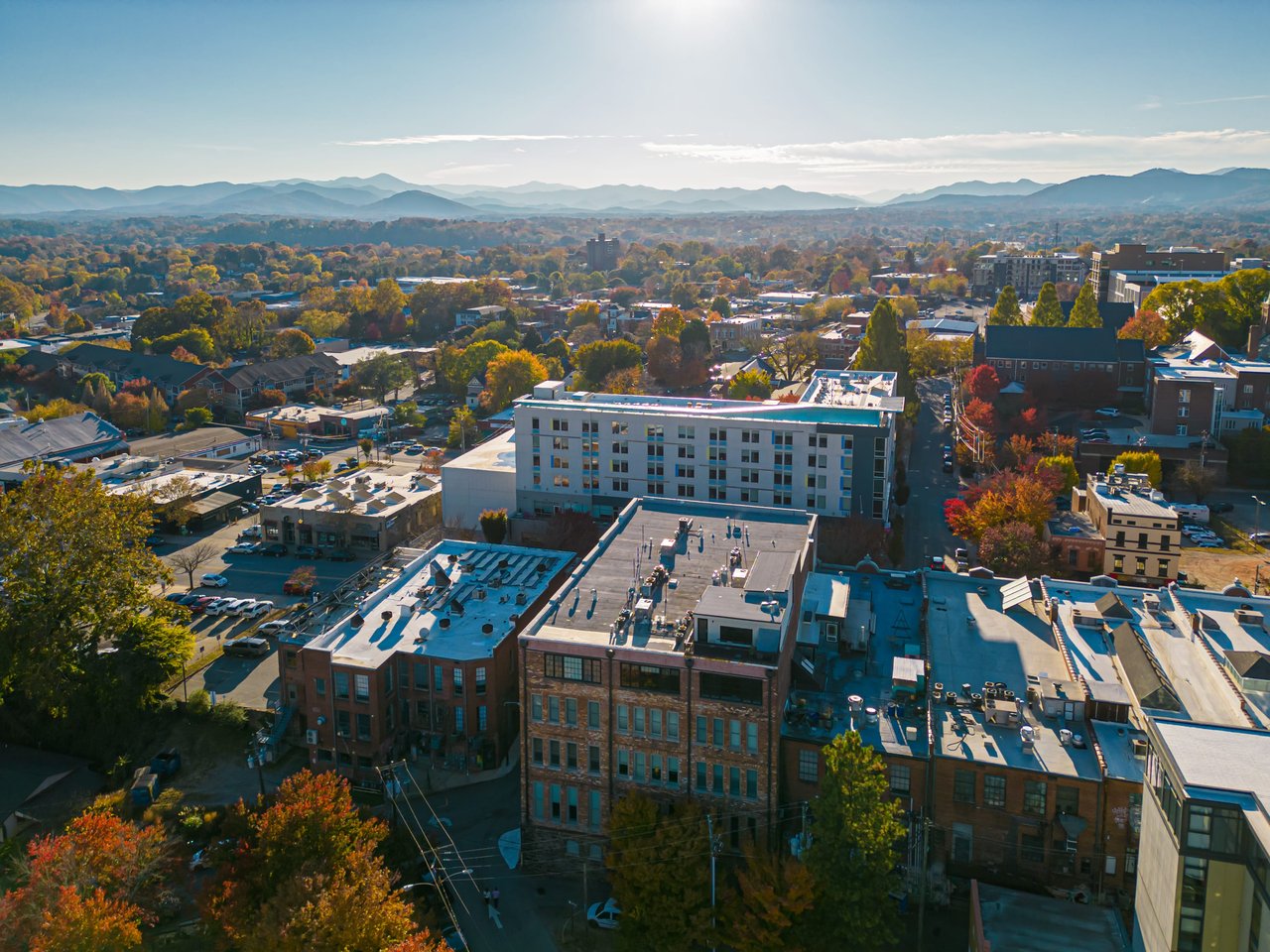
The River Arts District, often called RAD, is best understood as an active creative corridor rather than a conventional residential neighborhood. The area includes corridors like Roberts Street, Artful Way, Clingman Ave Ext., Depot Street, River Arts Place, and Lyman Street, with working studios, galleries, cafés, breweries, and former warehouse spaces shaping the daily feel.
That matters if you are considering a condo or townhome here. You are not just buying square footage. You are buying into an arts-forward, urban setting that feels open, evolving, and closely tied to downtown Asheville, Biltmore Village, and the Blue Ridge Parkway.
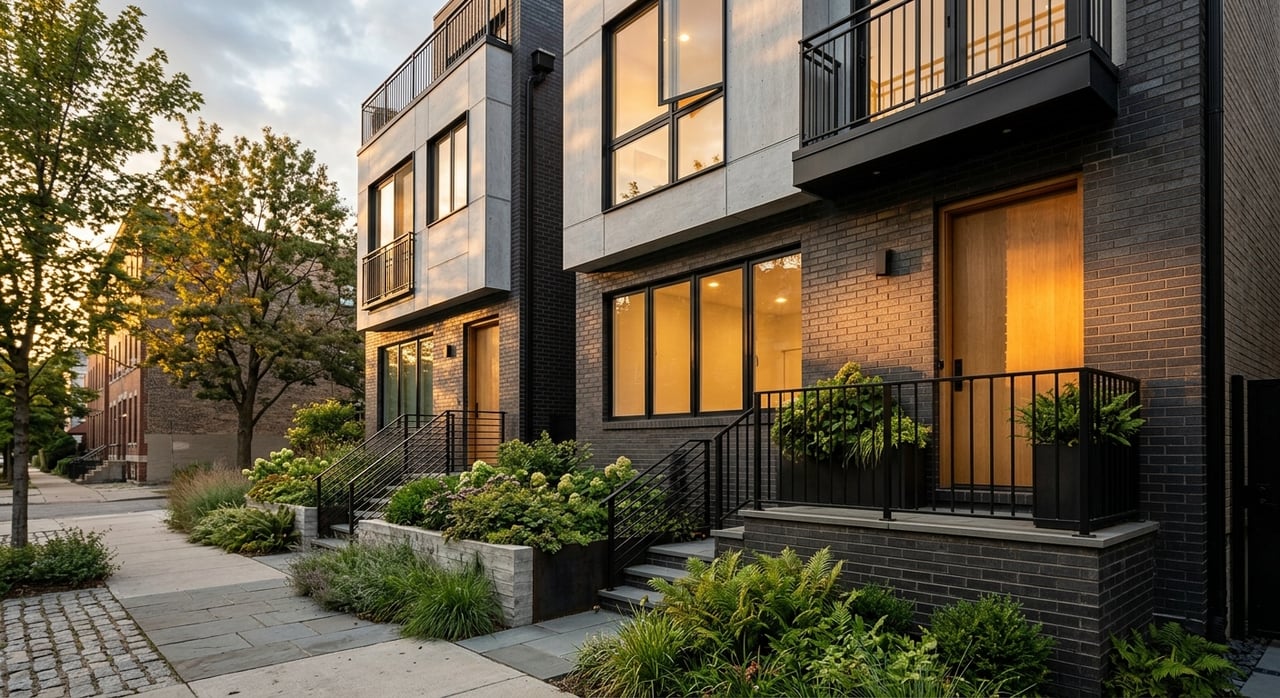
In and around the River Arts District, the housing mix leans toward loft-style condos and mixed-use multifamily buildings. Townhomes do exist, but current examples suggest they are more common along the nearby downtown edge than deep inside the district itself.
City planning materials also point toward attached housing as part of the district’s growth pattern, including multifamily, townhomes, duplexes, and other infill housing types. In practical terms, that means buyers are more likely to encounter compact condos, mixed-use buildings, and select townhome opportunities than large detached homes.
A useful condo example is Clingman Lofts, a building completed in 2008. Its homes range from one to two bedrooms and about 624 to 1,125 square feet, giving you a sense of the smaller, low-maintenance footprint that often appeals to buyers who want an urban base.
Features in projects like this can include hardwood floors, ceramic bath floors, solid-surface materials, and vaulted ceilings in some upper-level units. Clingman Lofts also includes one assigned parking space per unit, which highlights how important building-specific parking details can be in this part of Asheville.
For buyers who want more space, townhome opportunities appear more often on the edge of downtown near the district. Bauhaus South Slopes is a helpful example, with 17 three-bedroom townhomes designed around open floor plans, large kitchen islands, expansive windows, and rooftop patios with mountain and downtown views.
That contrast is useful when you start narrowing your search. If your priority is a lock-and-leave footprint close to studios and greenways, a condo may fit best. If you want additional bedrooms, more vertical living space, and rooftop outdoor areas, a townhome near the district may be the stronger option.
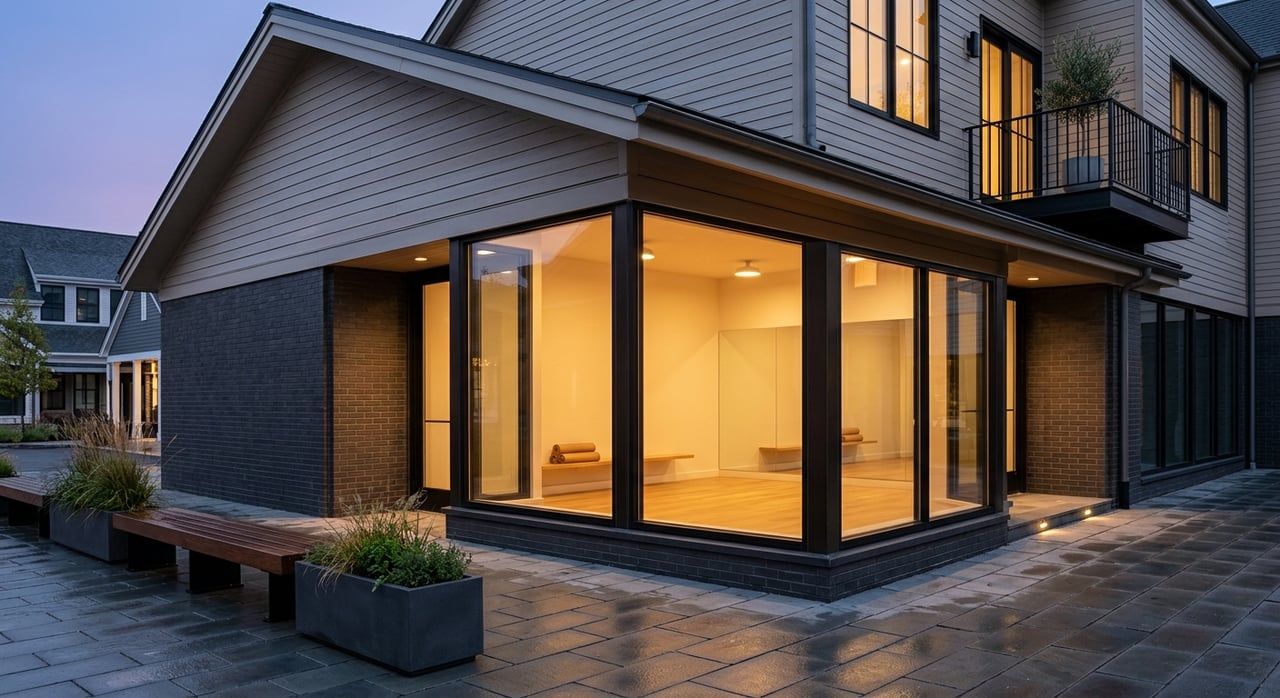
The Wyre at River Arts offers another view of how housing is taking shape in the district. This 237-unit mixed-use community includes studio to three-bedroom homes and features such as luxe plank flooring, custom built-ins, tile showers, granite countertops, shaker-style cabinetry, balconies, and amenities like a pool, fitness and yoga spaces, bike storage, flex work space, and pet amenities.
Even if you are focused on for-sale opportunities, projects like this help define buyer expectations in the area. They reinforce the district’s direction toward low-maintenance, design-conscious housing with urban amenities and a strong connection to the riverfront setting.
Across current examples, condo and townhome living in this area tends to feel modern, efficient, and easy to maintain. Many homes emphasize open layouts, large windows, and indoor-outdoor features like balconies or rooftop patios.
You are also likely to see finishes that support a clean, polished look. Common examples include shaker cabinetry, granite counters, tile showers, hardwood or luxe plank flooring, built-in storage, and oversized kitchen islands.
For many buyers, this style works well because it fits the pace of downtown living. The design is often straightforward and functional, while still feeling elevated enough for a full-time residence, second home, or Asheville base.
Walkability is one of the district’s biggest strengths. The area connects naturally to the Wilma Dykeman Greenway and the broader French Broad River Greenway network, giving you opportunities to walk, bike, and move through the district without always getting in the car.
Trailheads at Amboy Road and Lyman Street and at Hill Street and Riverside Drive help connect the district to the riverfront. City improvements have also added wide sidewalks, bike lanes, the city’s first protected bike lane on Lyman Street, a multi-use river path, and about 9 acres of new parkland.
For buyers who value an active lifestyle, that access can be a real draw. It supports the kind of daily routine many urban buyers want, where coffee, galleries, greenway time, and downtown plans can all fit into the same afternoon.
Parking in the River Arts District is better than many buyers expect, but it still requires close attention. City transportation improvements added nearly 200 new public parking spaces, and there is on-street parking along parts of Riverside Drive.
Still, your day-to-day experience will often depend on the property itself. Some buildings have assigned spaces, like Clingman Lofts, while others may rely on nearby lots or street parking patterns. Before you move forward on any condo or townhome, make sure you understand exactly how parking is assigned, deeded, or managed.
The River Arts District offers energy, activity, and a strong sense of place, but that also means it can sound different from quieter residential areas. Parts of the district include breweries, restaurants, music venues, event spaces, and rail-adjacent uses.
For some buyers, that is part of the appeal. For others, it is a practical factor to weigh carefully. If you are considering a purchase here, it is smart to visit at different times of day so you can get a realistic feel for traffic, event activity, and ambient noise around the exact building.
Flood resilience remains one of the most important parts of the housing conversation in the River Arts District. Asheville City Council minutes from January 2025 note that in flood-prone areas like RAD, complying with minimum elevation requirements could mean raising buildings by as much as 10 to 12 feet above existing levels.
Those same public discussions also emphasize that future development needs to remain resilient enough to preserve federal funding and insurance protections. For buyers, this means resilience is not a side issue. It should be part of your core due diligence from the start.
The district is also still recovering from Helene. The official district directory shows that some buildings remain temporarily closed, including 8 River Arts Place and Riverview Station, and the city has noted rebuilding activity after significant storm damage.
Public spaces are reopening in phases as well, with partial reopening of French Broad riverfront greenways and parks announced in 2025. That does not erase the district’s appeal, but it does mean buyers should confirm the current condition of a building, nearby amenities, and public access points rather than relying on older assumptions.
If you are drawn to the lock-and-leave appeal of a condo or townhome in RAD, your due diligence should be especially clear and practical. This is where a polished, local buying strategy matters most.
Here are a few key questions to ask:
That checklist helps you balance the district’s strongest benefits with its real-world considerations. In RAD, the lifestyle upside is clear, but the smartest buyers pair enthusiasm with careful review.
This style of living can be a strong match if you want low-maintenance ownership, easy access to downtown Asheville, and a setting that feels creative and connected to the riverfront. It may also appeal if you prefer attached housing, contemporary finishes, and a more urban day-to-day experience.
At the same time, the district is usually best for buyers who are comfortable with a more active environment. Parking, noise, and flood-related diligence are all part of the equation, and it is important to weigh those factors honestly against the convenience and character the area offers.
Condo and townhome living in Asheville’s River Arts District is less about fitting into a standard neighborhood model and more about embracing a distinct urban lifestyle. The housing stock is still somewhat limited but increasingly interesting, with loft-style condos, mixed-use communities, and select townhome options near the downtown edge.
If you value walkability, design, greenway access, and a front-row seat to one of Asheville’s most creative districts, RAD can be very compelling. The key is going in with a clear understanding of the trade-offs, asking the right questions, and choosing the property that aligns with how you actually want to live.
If you are considering a condo or townhome in downtown Asheville or the River Arts District, Mills + Coin offers a private, concierge-level approach to helping you compare opportunities, evaluate the details, and move forward with confidence.
Stay up to date on the latest real estate trends.
At Mills Coin & Co. Real Estate Group, we’re your trusted partner in navigating the Asheville real estate market. Whether you're buying, selling, or investing in property in Asheville, we're here to make the process smooth, seamless, and successful for you.
40 BILTMORE AVE ASHEVILLE, NC 28801