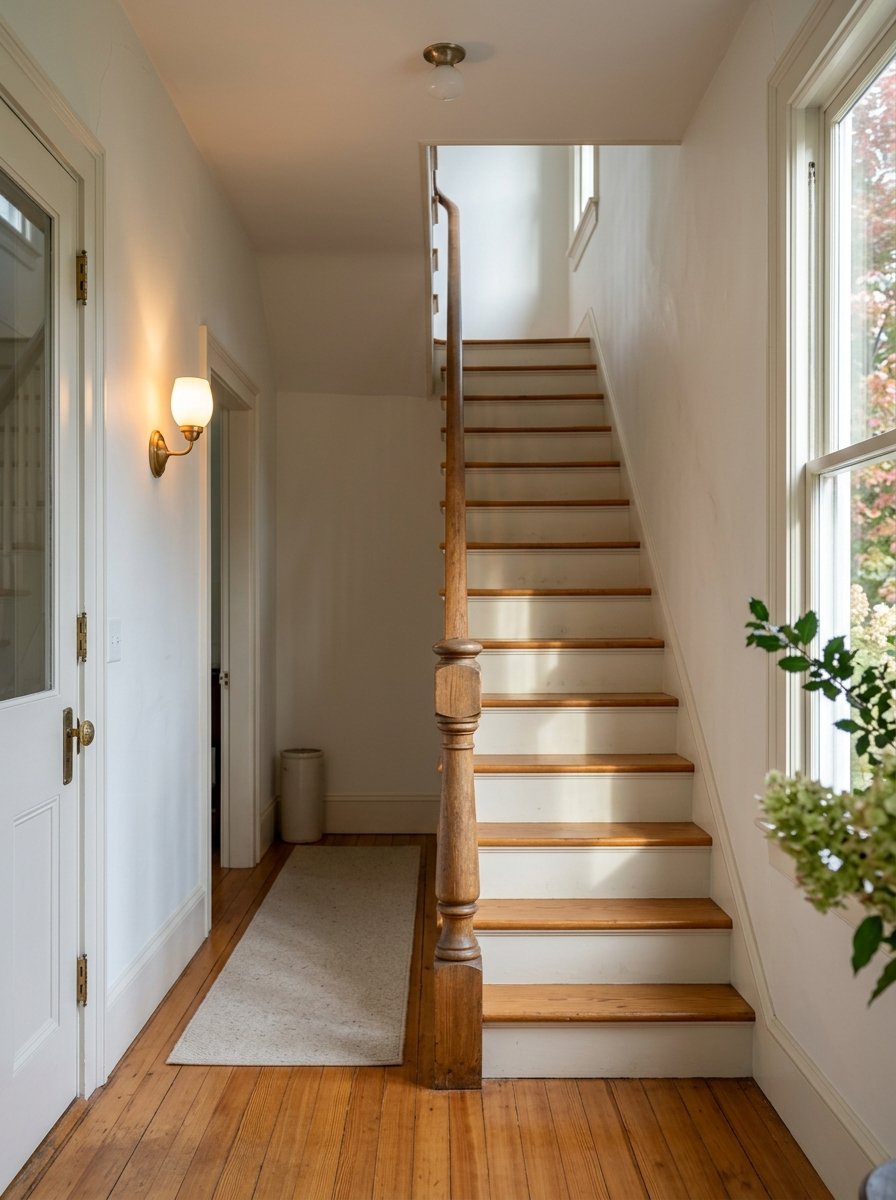
Understanding Historic Home Details When Buying In Montford
April 16, 2026
April 16, 2026
Buying a historic home in Montford can feel exciting and a little intimidating at the same time. You may love the porches, windows, rooflines, and layered textures that give these homes their personality, but you also want to understand what those details mean for ownership. The good news is that once you know what to look for, you can evaluate a Montford property with far more confidence. Let’s dive in.
Montford is one of Asheville’s best-known historic neighborhoods, with about 300 acres and more than 600 structures. Much of the neighborhood’s building stock dates from roughly 1890 to 1920, and part of Montford is both a National Register Historic District and one of Asheville’s local historic districts, according to the Montford Neighborhood Association.
That matters because Montford is not defined by just one look. As the neighborhood association explains in its overview of Montford architecture, you’ll see a mix of late- and post-Victorian forms, including Queen Anne, Shingle-style, Colonial Revival, and homes influenced by Richard Sharp Smith.
When you tour a home in Montford, it helps to look beyond surface charm. Many details that seem decorative are actually part of the home’s historic character and can affect future repair decisions.
Front porches are often one of the most important features on a historic home. The National Park Service notes that porch columns, brackets, balustrades, and roof forms can all be character-defining elements, especially on homes where the porch is a major part of the front elevation.
That means a porch is not just bonus outdoor space. It is often central to how the house was originally designed and how it is meant to be experienced from the street.
Original or early wood sash windows are another major detail to notice. The National Park Service emphasizes a repair-first approach to historic windows and treats original windows, trim, and related materials as important features worth preserving when possible.
If you are evaluating a home, ask yourself whether the windows appear original, thoughtfully repaired, or fully replaced. A house with compatible window updates may feel very different from one where historic proportions and materials have been lost.
Montford homes often stand out because of their silhouettes and materials. According to the neighborhood association, features like complex rooflines, dormers, turrets, shingles, stucco, stone, pebbledash, and mixed textures are part of the area’s visual identity.
These details may seem subtle at first. But together, they create the architectural richness that draws many buyers to Montford in the first place.
Montford rewards buyers who slow down and really look. While many homes blend influences, a few recurring styles can help you read what you are seeing.
Queen Anne houses in Montford often include irregular massing, complex rooflines, turrets, and ornamental detail. You may also notice varied wall textures and decorative woodwork that create a layered, expressive appearance.
Shingle-style homes tend to feel more informal in composition. In Montford, local sources note the use of shingles along with stone, stucco, and other mixed materials that soften symmetry and create a more flowing exterior.
Colonial Revival homes in the neighborhood may include gambrel roofs and shingle wall coverings. On some properties, you may also notice a more restrained set of details compared with the busier Victorian examples nearby.
Historic-home buying is not about finding perfection. It is about spotting signs of thoughtful care versus signs that a small issue may have become a larger one.
Moisture management is one of the biggest concerns in older houses. The National Park Service notes that water often enters through roof areas, gutters, downspouts, cracks around windows and doors, and deteriorated mortar, and it stresses the importance of keeping the building weather-tight with proper drainage.
During a showing, pay close attention to staining, peeling paint, soft wood, musty odors, clogged gutters, and vegetation growing too close to the structure. Even if the issue is fixable, moisture deserves prompt follow-up.
Brick, stone, and mortar repairs can reveal a lot about prior work. National Park Service guidance recommends repointing only where deterioration exists and matching the old mortar in strength, composition, color, texture, width, and joint profile.
If the masonry looks overly hard, overly uniform, or aggressively cleaned, that can be a clue that earlier work may not have been compatible. It does not automatically mean the house is a bad purchase, but it is worth asking more questions.
Because porches are so prominent on historic homes, deferred porch maintenance can have an outsized effect. The National Park Service recommends routine spot painting, caulking, and attention to the porch roof and foundation to prevent bigger repairs.
Sagging elements, deteriorated flooring, failing rail details, or signs that a porch was enclosed on a prominent elevation should prompt a closer review. In many cases, the porch is one of the first places where maintenance history becomes visible.
Not every old-house update is a problem. The key question is whether prior work respected the home’s original materials and visual character.
When reviewing a property, ask for documentation on work related to windows, porches, masonry, additions, or fences. Based on National Park Service guidance, repair and compatibility are generally favored over wholesale replacement.
In practical terms, you want to know whether original features were retained when possible, whether replacement materials visually match the old ones, and whether the work was documented. Good records can give you a much clearer picture of stewardship over time.
Many buyers assume replacing old windows is always the better route. The National Park Service says otherwise, noting that historic windows are usually best approached with repair first, and that performance can often be improved with weatherstripping, sash or glazing work, and storm windows before replacement is considered.
If replacement was unavoidable, the best outcome is a new unit that matches the old in design, color, texture, and where possible, materials. That is an important detail to evaluate during due diligence.
If you are thinking about changing the exterior of a Montford home, timing matters. Asheville’s Historic Resources Commission reviews projects in local historic districts like Montford, and approved work receives a Certificate of Appropriateness.
The city also notes that a Certificate of Appropriateness is for design review only and does not replace building or zoning permits. In addition, Asheville is considering amendments to Montford standards related to additions and fences, so it is smart to verify current rules early in your planning process.
Because much of Montford’s housing stock predates 1978, lead-safe renovation should be part of your thinking. The EPA advises that older homes are more likely to contain lead-based paint and recommends assuming a pre-1978 home contains lead unless testing shows otherwise.
That does not mean you should avoid an older property. It simply means renovation, repair, or painting work should be handled carefully, especially since pre-1978 work can create dangerous lead dust and contractors performing that work must be lead-safe certified.
A standard inspection is important, but some situations call for more targeted expertise. If you see visible water intrusion, failing gutters or roof areas, cracked or settled masonry, sagging porch elements, extensive paint failure on pre-1978 surfaces, or you are planning exterior alterations in the local historic district, it is reasonable to bring in professionals with historic-home experience.
A practical first step is often a historic-home-experienced inspector. From there, you may need a mason, roofer, porch carpenter, or lead-safe certified contractor depending on what the property reveals.
The best Montford opportunities often combine intact character with manageable maintenance. In many cases, the goal is not to find a house with every original detail untouched, but to find one where updates feel compatible and the home has been kept in sound condition.
If you focus on porches, windows, masonry, rooflines, drainage, and documentation, you will be much better equipped to separate cosmetic charm from lasting value. For some properties, there may also be potential historic preservation tax credit opportunities if the home is a contributing resource in the National Register portion of Montford, as outlined in Asheville’s historic district guidelines.
If you are considering a historic home in Montford and want a polished, local perspective on how character, condition, and future plans fit together, Mills + Coin is here to help you navigate the process with clarity and care.
Stay up to date on the latest real estate trends.
At Mills Coin & Co. Real Estate Group, we’re your trusted partner in navigating the Asheville real estate market. Whether you're buying, selling, or investing in property in Asheville, we're here to make the process smooth, seamless, and successful for you.

40 BILTMORE AVE ASHEVILLE, NC 28801